Best Korean Snacks with Vegetable Powder for Picky Toddlers (2026 Guide)
Disclosure: This post may contain affiliate links. We may earn a commission on qualifying purchases at no extra cost to you.
You’re at a Korean convenience store, or scrolling through an online haul, and your picky toddler points to a colorful pouch of something with a cute mascot on it. The label says ‘vegetable powder.’ Your first thought: Will they actually eat it, or will it taste like lawn clippings?
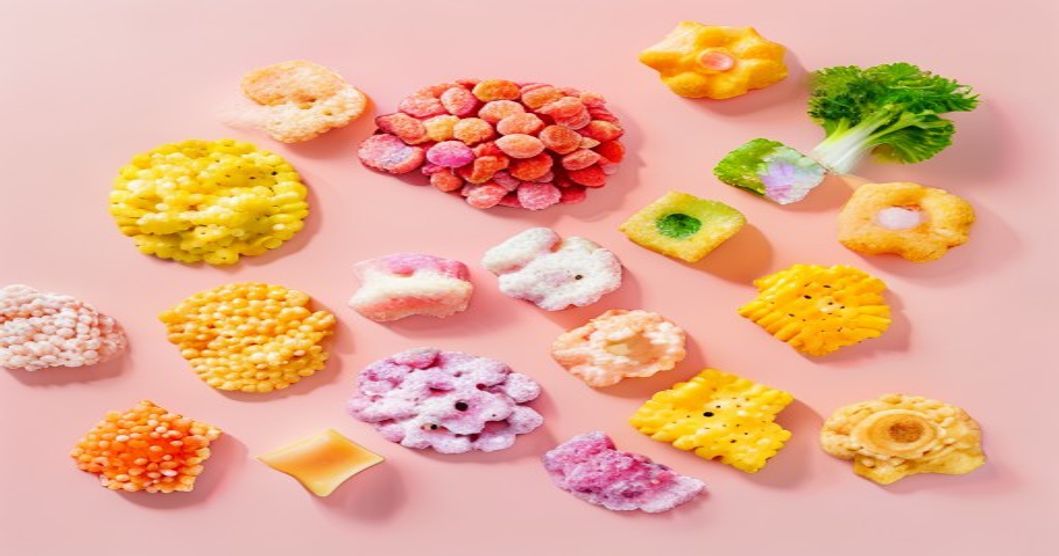
Most Korean snacks with vegetable powder taste sweet, cheesy, or savory—not bitter. The veggie ingredient hides well. Cream-cheese-flavored rice crackers and sweet potato puffs are your safest bets for picky eaters who refuse greens.
Top Picks: Korean Snacks with Vegetable Powder for Toddlers
Editor’s Pick
The sweetness covers the veggie powder completely. Puffs dissolve on the tongue—zero choking risk, zero bitter aftertaste. Best for toddlers ages 2+.
Best Value
Tangy cheese dominates; spinach powder just adds a pale-green tint. Crispy but not hard, individually wrapped for portion control. Most affordable Korean option.
Premium Pick
Honey sweetness masks all veggie notes. Slightly softer crumb than cheese crackers, good for toddlers transitioning from purees. Highest nutritional claims per serving.
Why Vegetable Powder in Korean Snacks Works for Picky Eaters
Here’s the honest truth: Korean food engineers are really good at hiding nutrition inside flavor. They don’t try to make veggie snacks taste like kale. Instead, they layer on cheese powder, honey, a pinch of salt, or sweet potato as the hero flavor, then sprinkle in vegetable powder as a supporting player.
The vegetable powder does two things:
- Adds micronutrients (beta-carotene, vitamins, fiber) without changing the taste much
- Creates a visual appeal—pale green or orange tint that looks nutritious without tasting healthy
For a kid who refuses steamed broccoli? This is a small nutritional win while you keep pushing actual vegetables at meals.
Comparison: Vegetable Powder Snacks vs. Regular Korean Snacks
| Snack Type | Veggie Powder? | Taste Profile | Texture |
|---|---|---|---|
| Puffed Snacks | Yes, often | Sweet (honey or fruit) | Dissolves on tongue |
| Rice Crackers | Sometimes | Savory (cheese or salt) | Crispy, snappy |
| Seaweed Sheets | Rarely | Umami, salty | Paper-thin, melts |
| Dried Fruit Snacks | No | Sweet, fruity | Chewy |
The takeaway: puffed snacks and rice crackers are your best bets for hiding veggie powder. Seaweed-based or purely fruity snacks rarely include it.
Where to Buy & What to Check
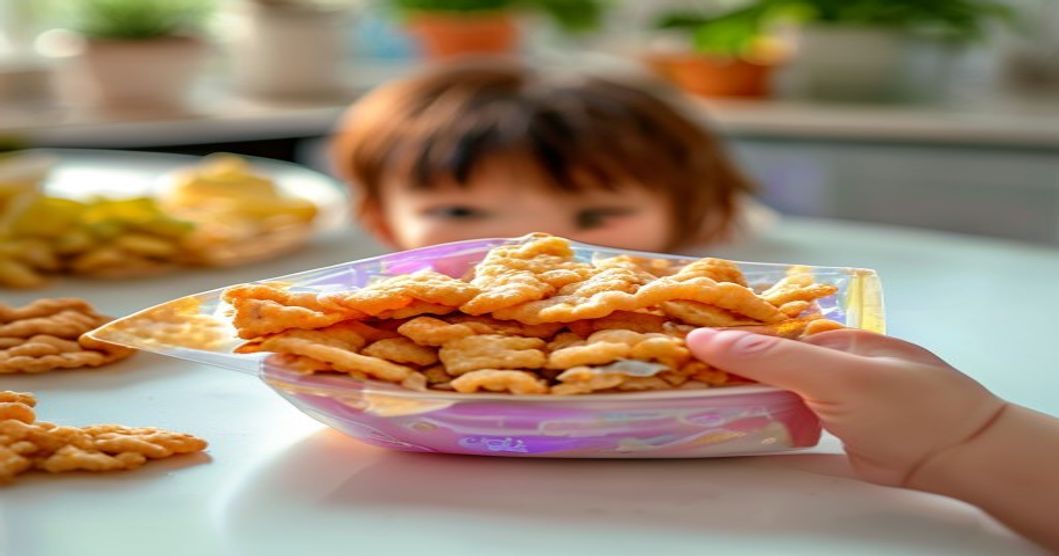
Korean convenience stores (GS25, CU, Emart, or local Asian markets) carry dozens of toddler-friendly veggie powder snacks. Online, you’ll find them on Amazon and specialty Korean snack retailers. Snack box subscriptions focused on Korean imports also curate kid-safe options.
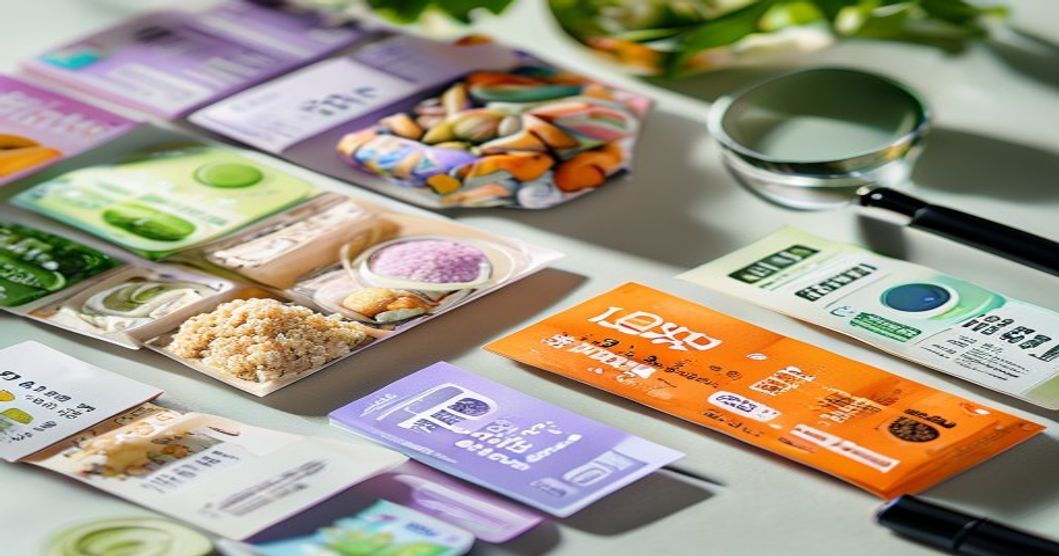
Before you buy, scan the label for:
- Sugar content – Compare grams per serving across brands; lower is better
- Sodium – Toddlers don’t need much salt; look for mild versions
- Allergen warnings – Sesame, soy, and tree nuts are common in Korean snacks
- Choking hazards – Hard candies or whole nuts are a no; puffs and soft crackers are safer
- Ingredient order – Vegetable powder should appear in the first few ingredients if it’s a real veggie snack
If you’re at a Korean supermarket and the package is in Korean only, use a translation app on your phone to read the ingredient list. It takes 30 seconds and can save you a frustrated toddler at snack time.
Pros & Cons of Vegetable Powder Snacks for Toddlers
- Tastes good—no bitter aftertaste to fight
- Adds micronutrients kids won’t get otherwise
- Convenient single-serve or small-pouch options
- Colorful packaging appeals to toddlers
- Most are safely formulated (no choking risks in puffed versions)
- Widely available in Korean stores; affordable
- Ultra-processed; not a substitute for whole foods
- Often contain added sugar or salt
- Vegetable powder doesn’t deliver fiber like whole veggies
- Labels in Korean can be hard to read (translation needed)
- Price markup online or at US mainstream retailers
- Not a guaranteed gateway to eating actual vegetables
How to Use These Snacks in a Toddler’s Diet
These snacks work best as an occasional boost, not a daily staple. Think of them as a bridge: you’re sneaking in a little nutrition while you keep working on getting your toddler to eat real veggies at meals.
Smart ways to use them:
- Pack a small pouch as a backup when you’re out and your toddler refuses the lunch you packed
- Offer a few crackers after a meal if your kid wants something more to eat
- Mix crushed puffs into yogurt for a texture surprise (and buried veggie nutrition)
- Never use them to replace a meal, snack, or your push toward fresh vegetables
The goal isn’t to trick your kid into thinking they’ve eaten salad. It’s to add a small nutritional cushion while you stay patient with picky eating. Most toddlers expand their veggie tolerance eventually—these snacks just help in the meantime.
Who These Snacks Are For—and Who They’re Not
Best For
- Picky toddlers ages 2–5 who refuse all vegetables and you need a quick nutrition win
- Parents at convenience stores or markets looking for healthier packaged snacks vs. pure sugar candy
- Kids with sensory sensitivities who dislike raw veggie textures but might accept crunchy snacks
- On-the-go families who want portable, not-messy snacking options
- Fans of Korean food wanting to introduce their toddler to global snack flavors
Not For
- Babies under 18 months (choking and salt/sugar concerns)
- Kids with sesame or soy allergies (very common in Korean snacks)
- Parents trying to avoid all processed foods (these are 100% processed)
- Toddlers who already eat plenty of whole vegetables (they don’t need the help)
- Budget-conscious households buying online at marked-up prices (buy in-store if possible)
Related Reading on Korean Snacks
If you’re diving into Korean snacks for your toddler, you might also find these guides useful:
- Best Korean Snacks to Pair With Green Tea for Work Breaks (2026 Guide) – A guide for adult snacking if you want to share some toddler snacks with yourself
- Korean Snacks Safe for Garlic Allergies: Best Convenience Store Picks – Helpful if your toddler has garlic sensitivity
- Best Korean Rice Snacks That Stay Crispy: Why They Beat Potato Chips in 2026 – A deeper dive on Korean rice-based snacks
Korean vegetable powder snacks don’t taste like vegetables because they’re engineered not to. That’s exactly why picky toddlers will eat them. Grab the sweet potato puffs first—they’re basically veggie-spiked candy, and your toddler won’t even notice. Use them as an occasional snack while you keep serving real vegetables at meals. No guilt, no false health claims. Just a practical tool for feeding a skeptical eater.
Final Note: How to Get Kids Eating Real Vegetables
These snacks are a bridge, not the destination. If your toddler is refusing all vegetables, a pediatrician or feeding specialist can help rule out sensory issues or texture sensitivities. Some kids need repeated exposure (20+ times, seriously). Others respond better to raw veggies than cooked, or veggies they help pick or grow.
The snacks buy you time and a small nutritional edge. The real win is when they eventually eat a carrot stick on their own.
Affiliate Disclosure: This article contains affiliate links. If you purchase Korean snacks through provided links, I may earn a small commission at no extra cost to you. As an Amazon Associate I earn from qualifying purchases. All product recommendations are based on value for picky toddlers and my assessment of Korean snack options—not on affiliate incentives.