Korean Snack Allergen Warnings and Ingredient Labels Explained: A Real Shopper’s Guide
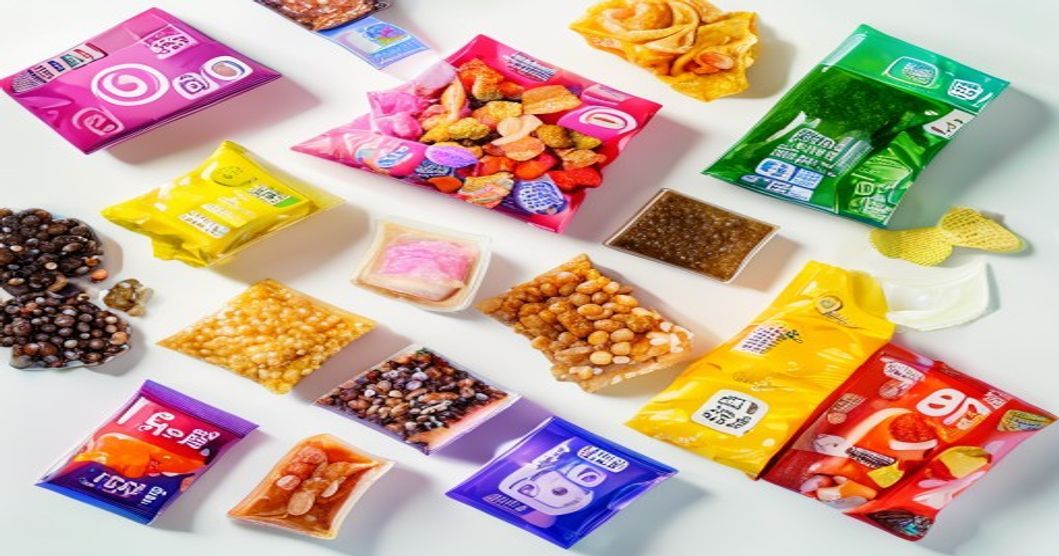
Disclosure: This post may contain affiliate links. We may earn a commission on qualifying purchases at no extra cost to you.
You’re in a Korean convenience store (or doom-scrolling through a snack haul) and spot something gorgeous in a shiny box. Then reality hits: you have a peanut allergy. Or dairy. Or sesame. You flip the package over and get absolutely buried in tiny text—half Korean, half English, allergen section looking like a chemistry exam you didn’t study for.
Here’s the real deal: reading Korean snack labels isn’t magic, it’s just a skill. Once you know where to look and what actually means what, it’s straightforward. And it matters, because Korean snacks are genuinely thoughtful and creative, but the labeling rules are totally different from what you’re used to in the U.S.—and honestly, that’s what this whole thing is about.
Why Korean Snack Labels Feel Confusing (And Why They’re Actually Pretty Smart)
Korean food manufacturers don’t mess around with allergen labeling. South Korea requires companies to flag major allergens right on the package in a dedicated section. The problem? The mandatory allergen list is different from the U.S. FDA’s “Big Eight” (milk, eggs, peanuts, tree nuts, wheat, soy, fish, and shellfish). Korea adds more—shrimp, crab, mollusks—because seafood allergies are super common there.
What does this mean for you? When you buy a Korean snack in the U.S., it should be relabeled with English allergen info on the back. But if you order straight from a Korean retailer, you might get a package with only Korean text in the allergen section. This is where a translation app becomes your best friend—or where paying extra for a snack subscription box suddenly makes sense.
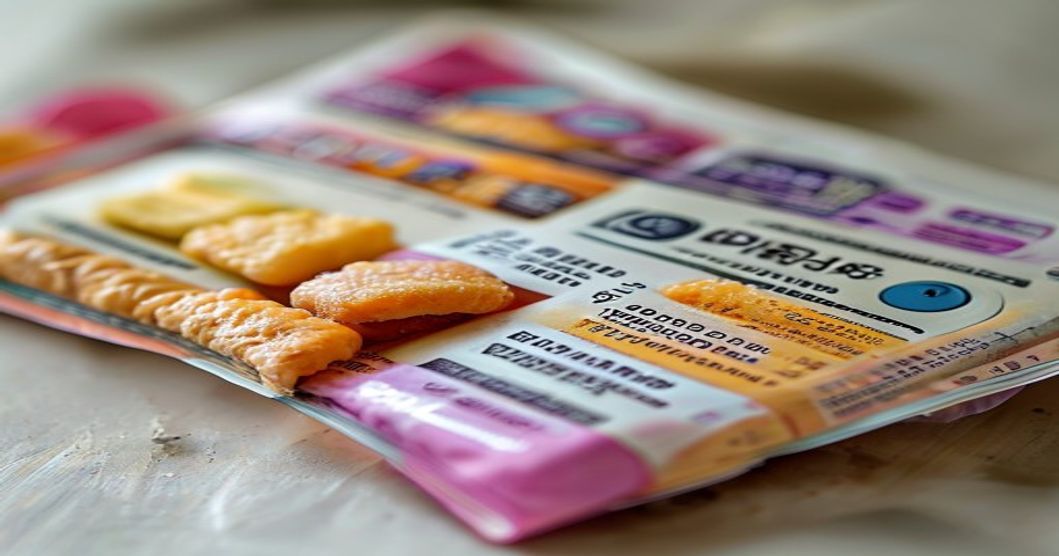
The actual layout of a Korean snack label is solid. Flip it over and you’ll see:
- Ingredient list (성분) — listed by weight percentage, top to bottom.
- Allergen block (주요 알레르겐) — the bold, highlighted section that flags anything serious.
- Nutrition facts — calories, sugars, sodium, and protein per serving.
- Manufacture date and expiration date — usually on the top or bottom edge.
- Storage instructions — “keep in a cool, dry place” or “refrigerate after opening.”
Here’s what separates careful label readers from snack-grabbers: the allergen block isn’t always in the same language as the rest of the package. You might see Korean in the ingredient list but English in the allergen section. That’s intentional—manufacturers know allergies are serious. But you have to actually look for it.
The Sneaky Allergens Hidden in Korean Snacks (And Why You Can’t Just Guess)
This is where Korean snack labels get really important. A lot of popular Korean snacks hide ingredients that you’d never guess from the name.
Seaweed snacks (김 / kim): Look like pure seaweed, salt, and oil? Wrong. Many brands throw in shrimp or fish-based seasoning powder for umami. If you’re allergic to shellfish or fish, you have to check the allergen block. The ingredient list might just say “seasoning,” but the label will flag fish or shrimp. Always flip and check.
Corn snacks and puffed cereals: Often loaded with soy-based seasoning or soy lecithin (an emulsifier). The ingredient list might bury this as “soy sauce powder” or “soybean seasoning,” but it’ll show up in the allergen section if it’s there.
Nuts and seed mixes: Korean convenience stores have tons of these—almonds, cashews, walnuts, pumpkin seeds all mixed together. The label flags tree nuts and peanuts separately. But here’s the thing: one bag sometimes has multiple nut types processed in the same facility. If you’re allergic to specific tree nuts, you need to know which ones are actually in there. The ingredient list (not just the allergen block) matters.
Chocolate and candy bars: Korean chocolate snacks use milk, soy lecithin, and nuts. But some also have barley malt or oat extract—stuff that matters if you have gluten sensitivity. The allergen block flags wheat, but barley and oats are processed differently, so you need the full ingredient list if you’re gluten-sensitive.
Dried seafood snacks (squid or fish-flavored crisps): Obviously have seafood, but some also pack sesame oil, milk powder coating, or walnut pieces. The allergen block catches this, but only if you’re reading it.
How to Actually Read a Korean Snack Label (Step-by-Step)
Stop guessing. Do this:
Step 1: Flip the package to the back and find the allergen section. It’s usually in a highlighted or bordered box. In Korean packages, it says 주요 알레르겐 (juyo allereugen). In English it says “Contains” or “Allergens.” Scan that first—it’s the fastest check to know if this is a no-go.
Step 2: If your allergen isn’t in the allergen block, read the full ingredient list. Why? Because labeling has gaps. Sesame, for example, might only be flagged if it’s above a certain amount. Always verify. An ingredient list in order of descending weight tells you not just what’s in there, but roughly how much.
Step 3: Look for “may contain” or “processed in a facility with” language. In Korean, it’s 같은 시설에서 제조 (same facility) or similar. This is a cross-contamination warning, not a maybe. If someone in your house has a severe allergy, treat “may contain” as a full allergen. It’s not a small risk.
Step 4: Check the manufacture date and batch code. Korean snack recipes and sourcing vary by batch or season sometimes. A snack you ate before might have a different allergen profile now. Always check the current package, even for a favorite.
Step 5: If the package is Korean-only, use a translation app or ask the seller. Most online snack retailers who sell to the U.S. include English ingredient cards now, but not all. Google Translate’s camera feature works decently on food labels—point it at the allergen section and get a translation in seconds. It’s imperfect, but better than guessing.
The Difference Between Korean and U.S. Allergen Labeling (Why This Matters)
The FDA says companies must clearly label the “Big Eight” allergens and identify the source of anything derived from them. So if a snack has “soy lecithin,” it must say “contains soy.” Korean law is similar but includes extra mandatory allergens (the core ones, plus seafood and mollusks), and the label format is different.
When a Korean snack gets imported to the U.S. for sale, it should comply with FDA rules. But here’s the catch: if you’re buying straight from a Korean e-commerce site or Korean convenience store, the package might have only Korean text in the allergen section. The information is there, but you have to translate it.
In real life, this means:
- A Korean snack sold in a U.S. grocery store or Amazon will have English allergen labeling.
- A snack shipped direct from Korea may be Korean-only, and you’ll need to translate.
- A snack from a curated Korean snack box will typically come with a translated ingredient card.
This is why Korean snack box subscriptions can make sense for people with allergies or dietary restrictions. The service does the label-reading work and flags anything that doesn’t fit your needs. It costs more, but if allergies are a real issue in your household, the convenience and safety are actual benefits.
Real Allergen Scenarios You’ll Actually Hit
Let’s get specific. Situations you’ll actually face while snack shopping:
Scenario: You have a tree nut allergy and want to try Korean snack mixes.
What to do: Grab a mixed nut or seed bag. Flip to the back. Look at the allergen block. If it says “contains tree nuts: almonds, cashews, walnuts,” you’re out. If it says “contains sesame” but no tree nuts, you’re good—wait, the ingredient list shows “walnut pieces.” That’s weird. Translation error? Manufacturing mistake? Don’t risk it—put it back. A good label makes this clear; a confusing one means you skip it.
Scenario: Your kid is allergic to sesame and you want to buy Korean seaweed or vegetable snacks.
What to do: Many Korean vegetable chips use sesame oil as the base seasoning. Check the allergen block first. If sesame isn’t flagged, read the ingredient list—sesame oil should be listed early because it’s a main seasoning, not a trace. If you see sesame oil or seeds in the ingredients but no sesame flag in the allergen block, that’s a red flag. Contact the manufacturer or skip it.
Scenario: You want a chocolate snack but you’re unsure if it has dairy.
What to do: Check the allergen block. If it says “contains milk,” done. If the ingredient list shows “milk powder” or “butter” but the allergen block is blank or skips dairy, that’s potentially wrong. Don’t assume—contact the seller or skip it. A properly labeled product will flag dairy if it’s there.
What to Do If a Label Seems Wrong or Incomplete
Labels aren’t perfect. Sometimes allergen info is missing, contradicts the ingredient list, or is so tiny you can barely read it. Now what?
First: if you’re buying from Amazon or an online retailer, check the product description—many sellers now include a text-based ingredient list or allergen summary. This is faster and more reliable than squinting at a package photo.
Second: if you’re at a Korean grocery store or convenience store, ask the staff. Many Korean grocers have bilingual people and can help translate or clarify. It’s a totally reasonable request, and the store wants you to buy safely.
Third: if you’re ordering from a Korean website, email the seller about specific allergens before you buy. A solid seller will answer. A seller that ignores allergen questions is one to avoid.
Fourth: use a food-label translator app. Google Translate’s camera, Microsoft Translator, or a dedicated food-label app can decode Korean text quickly. It won’t be perfect, but it beats a guess.
Fifth: if you spot a label error (missing allergen, contradictory info, illegible text), report it to the FDA if it’s sold in the U.S., or to the Korean retailer. Food safety is serious—companies take these reports seriously, and your feedback can prevent actual allergic reactions.
The Convenience Store Shopping Strategy (How to Speed This Up)
If you’re standing in a Korean convenience store or Asian grocery store with a wall of snacks and limited time, here’s how to shop safely and fast:
Know your allergens ahead of time. Have a short list in your phone. “No peanuts, no tree nuts, no sesame.” That clarity will speed up label-reading fast.
Prioritize snacks with English labels. If the allergen section is in English, you’re already way ahead. If you have to translate, that product moves down your list unless it’s something you really want.
Take a photo of confusing labels. If a label seems off or you’re not sure about a translation, snap a photo and look it up later with better tools and time. Don’t guess on allergens in a rush.
Stick to familiar brands or ones with clear, bilingual labels. Yes, it’s more conservative. But major Korean snack brands usually have solid label design and English support because they export widely. Unknown brands or local-only products are riskier if you have strict allergen needs.
Ask the store staff, especially if you’re buying for someone with a severe allergy. A quick chat with a clerk or manager saves you minutes and a ton of second-guessing. That’s what they’re there for.
Making Sense of Korean Ingredient Names You’ll Actually See
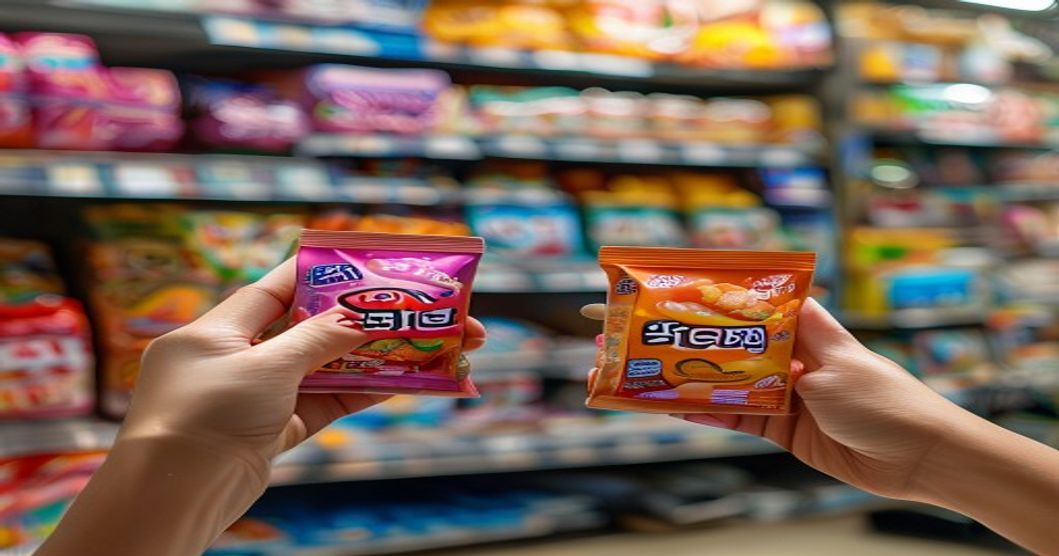
Quick glossary of Korean snack ingredients that actually confuse people:
- Gochugaru: Korean red chili flake. Usually vegetarian, but check if it’s mixed with seafood seasoning.
- Gochujang: Fermented red chili paste. Has soybeans, so it flags soy allergies.
- Seaweed (kim/nori): Just seaweed, but often seasoned with fish or shrimp powder underneath. Always check the allergen block.
- Mirin or rice wine vinegar: Fermented ingredients, usually gluten-free, but not always. Check if you’re sensitive.
- Fish sauce or anchovy paste: Will show up in the allergen block as “fish” or “contains shellfish,” even in tiny amounts.
- Corn syrup or fructose: Common sweeteners in Korean snacks, generally safe for most people but super high in sugar.
- Sesame oil or sesame seeds: Super common in Korean snacks. Will be flagged in the allergen block if it’s there. Don’t miss it.
Bottom Line: Make the Label Your First Stop, Not Your Last
Korean snacks are creative, delicious, and worth trying. But only if you eat them safely. The difference between a serious allergic reaction and a safe, happy snack session is the few minutes you spend actually reading the label.
The game plan is simple: flip the package, check the allergen block, verify with the ingredient list if you’re unsure, and if something looks off or incomplete, ask or skip it. Korean manufacturers take allergen labeling seriously. The information is there. You just have to look.
Next time you’re building a snack haul—whether you’re ordering online or hitting a convenience store—start with the back of the package, not the front. Your future self will thank you.
Reading Korean snack labels is a skill that takes a few minutes per product. Check the allergen block first, read the ingredient list if you’re unsure, know the difference between Korean and U.S. allergen labeling, and never gamble with “may contain” warnings. When you’re buying online and want peace of mind, subscription services and curated import boxes do the label work for you. Whether you’re DIY-shopping or using a service, the rule is the same: label first, snack second. Your allergies—and your trust in the snack—depend on it.
Disclosure
This article contains affiliate links. As an Amazon Associate, I earn from qualifying purchases. If you buy Korean snacks or snack box subscriptions through links on this page, I may receive a commission at no extra cost to you. This supports the site and helps me keep bringing you honest snack guidance.