Korean Snacks for Picky Eaters with No Spicy Tolerance: Convenience Store Options 2026
Disclosure: This post may contain affiliate links. We may earn a commission on qualifying purchases at no extra cost to you.
Here’s the myth people believe: Korean snacks are all spicy, and if you can’t handle heat, you’re out of luck. Total nonsense.
The truth? Korean snack makers have built an entire empire around sweet, savory, and umami flavors with zero spice. Walk into a GS25 or CU (Korean convenience store chains) and you’ll find entire aisles of butter cookies, honey-flavored crackers, seaweed snacks with no heat, cheese puffs, and candy that would make a picky eater’s day. The problem isn’t the snacks—it’s that most people don’t know where to look.
This guide teaches you exactly how to spot mild Korean snacks, what to actually buy, and why some are worth the hype while others are skip-it filler.
The Biggest Mistake People Make: Judging Korean Snacks by Color Alone
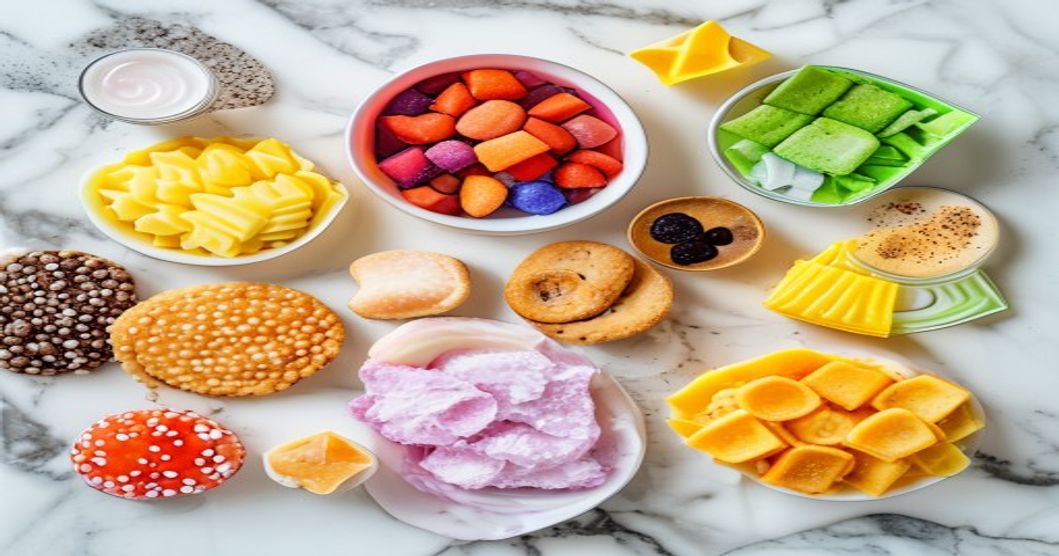
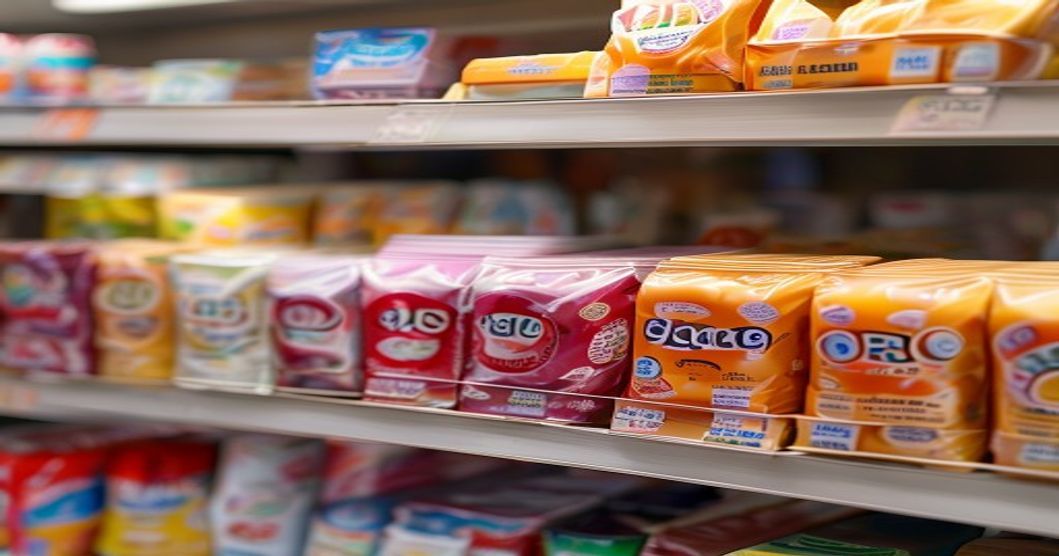
Red packaging = spicy. This is the rule most people apply, and honestly, it works 80% of the time. But it’s not the full story. A snack in soft pink, white, yellow, or pastel green is almost always safe. The key is looking beyond the package and understanding what Korean convenience stores actually stock for mild eaters.
Here’s what happens: someone walks into a Korean store, sees 50 snacks, assumes 45 are on fire, and leaves with the one safe option they recognize. Inefficient and boring. Instead, learn the categories.
The Four Safe Categories: Where Mild Snacks Live
1. Cheese-Based Crackers and Puffs
This is the safest, most reliable category for picky eaters. Korean cheese snacks are legendary—think honey butter chips (a buttery, slightly sweet cracker dusted with salt and honey powder), cheese-flavored puffs, and baked cheese crisps. Brands in this space rarely do spicy; they lean hard into savory and sweet-savory combos.
What to look for: packaging with clear cheese imagery, golden or yellow tones, and no red accents. If it says “butter” or “honey butter,” you’re golden. These snacks pair well with tea, coffee, or just mindless snacking while working.
Real-world pick: anything labeled “honey butter” is a safe bet. The flavor profile is salty-sweet, crispy, and hard to stop eating.
2. Sweet Rice Cakes and Mochi-Style Treats
Korean convenience stores stock soft, chewy, and lightly sweet rice cakes in flavors like strawberry, green tea, and plain. These aren’t the spicy tteokbokki (spicy rice cakes in red sauce) you might know—these are the gentle, snack-aisle versions.
Mochi-style treats (glutinous rice candy) are another goldmine. Look for pastel packaging, soft colors, and images of fruit or cream. They’re often dusted with cocoa, filled with fruit jam, or coated in a thin layer of chocolate.
Why they work for picky eaters: the texture is interesting (chewy, soft, melt-in-your-mouth), but the flavor is never aggressive. They’re filling, satisfying, and often cheaper than chocolate bars.
3. Yogurt-Coated Snacks and Candy
This category exploded in Korea in the last few years. Imagine yogurt-flavored candy, yogurt-coated raisins, yogurt-covered cereal, yogurt-dipped biscuits. It’s tangy, slightly creamy, and absolutely zero spice.
Look for packaging in soft pink, light purple, or cream tones. The word “요거트” (yogurt, pronounced “yogeoteu”) or “타르트” (tart, pronounced “tatu”) on the label is a giveaway.
Warning: some are dusty and go stale fast. Keep them sealed tight. (More on storage later—check out our guide to storing Korean snacks after opening.)
4. Seaweed-Based Snacks (Mild Versions)
Not all seaweed snacks are created equal. Korean convenience stores sell both spicy and mild varieties. The mild ones? Crispy, salty, lightly sweet, and absolutely addictive.
Key difference: if the packaging shows a spicy-looking graphic or red accents, skip it. Look for simple, clean packaging in green, white, or light colors. The snack itself should look like thin, crispy sheets of roasted seaweed, sometimes dusted with salt and sesame, sometimes with a light sweet coating.
Pro tip: these are an excellent gateway snack for picky eaters who are scared of “weird” flavors. Seaweed is salty and familiar enough to feel safe, but unique enough to be interesting. For a deeper dive, check out our review of the best seaweed snacks from convenience stores.
The Real Picky-Eater Checklist: How to Shop Like You Know What You’re Doing
Next time you’re in a Korean convenience store (or shopping online), use this checklist to spot the mild snacks and skip the duds.
- Check the packaging color. Red, orange, or dark spicy graphics = likely spicy. Pastel, white, soft pink, yellow, or cream = likely mild.
- Scan for the word “매운” (maun). This means spicy in Korean. If you see it, that snack is hot. If you don’t see it, you’re probably safe.
- Look for flavor keywords you recognize. “Honey,” “butter,” “cheese,” “yogurt,” “strawberry,” “chocolate.” These are reliable mild flavors. If you can’t read it and can’t identify the flavor visually, skip it.
- Ask a store clerk or use a translation app. Don’t be shy. A quick snap of the ingredients list in Google Translate takes 10 seconds and saves you from a bad buy.
- Buy one new item per shopping trip. Test it at home before committing to a full haul. Some mild-looking snacks have weird aftertastes or textures that don’t vibe with picky palates.
- Check the expiration date. Korean snacks, especially yogurt-coated and seaweed items, don’t last forever. Buy fresh.
- Grab a familiar favorite too. Even picky eaters should have one reliable “safe snack” they go back to. This removes the risk of trying something new and hating it.
The Snacks Worth Your Money (And the Ones to Skip)
Not every mild snack is worth the hype. Some are genuinely delicious; others are just… there. Here’s the blunt breakdown.
Worth It: Honey Butter Crackers
These are a phenomenon for a reason. Crispy, salty-sweet, coated in honey and butter powder. One serving turns into “just one more” real fast. The flavor is nostalgic and comforting—like a fancy version of goldfish crackers. Fair price, lasts a while, and actually tastes good.
Worth It: Strawberry Pocky-Style Sticks
Korean versions of Pocky (thin pretzel or cookie sticks dipped in flavor coating) are softer and less sweet than Japanese versions. The strawberry flavor is subtle and creamy, the stick itself is crispy. Good texture, not cloying. Works as a coffee snack or solo munchie.
Skip It: Overly Sweet Cookies in Bulk Bags
Korea makes excellent cookies, but some budget brands sell huge bags of generic butter cookies that are bland and stale after opening. You’re paying for quantity, not quality. Stick to individual packs or name brands (look for CJ, Binggrae, or Orion on the label).
Worth It: Baked Seaweed Snacks (Non-Spicy)
Thin, crispy, sometimes lightly salted or dusted with sesame. The flavor is clean and simple—umami-forward, no heat. Picky eaters who are scared of “weird” often end up loving these. Also super affordable.
Skip It: Unfamiliar Colored Mochi Without Flavor Info
Some mochi treats come in mysterious pastels with no English label. You open them and taste something totally unexpected (sometimes good, sometimes not). Unless you’re adventurous, stick to labeled flavors or brands you recognize.
Worth It: Yogurt-Covered Raisins or Cranberries
The tangy yogurt coating cuts through the sweetness of dried fruit. Feels vaguely healthy (it’s not, but it feels that way). Great for snacking without guilt, and the flavor is bright and light. Stores well too.
Where to Actually Buy These (If You’re Not in Korea)
Three reliable options:
Option 1: Online Retailers
Amazon stocks a growing selection of mild Korean snacks. Prices are higher than buying in Korea, and shipping takes time, but the selection is real. Look for verified seller ratings and check expiration dates in the reviews before buying. As an Amazon Associate I earn from qualifying purchases.
Option 2: Korean Grocery Stores
If you have one nearby, this is your best bet. Fresher stock, lower prices, and a store clerk who can answer questions in person. Most Korean grocery stores in US cities are used to picky eaters asking for non-spicy snacks—just ask.
Option 3: Subscription Snack Boxes
Services that curate Korean snack boxes often let you filter by “mild” or “no spice.” You pay a bit more (usually $20–$35 per box), but you get variety without the guesswork. Good for first-timers or gift-givers.
One More Thing: Storage Matters (A Lot)
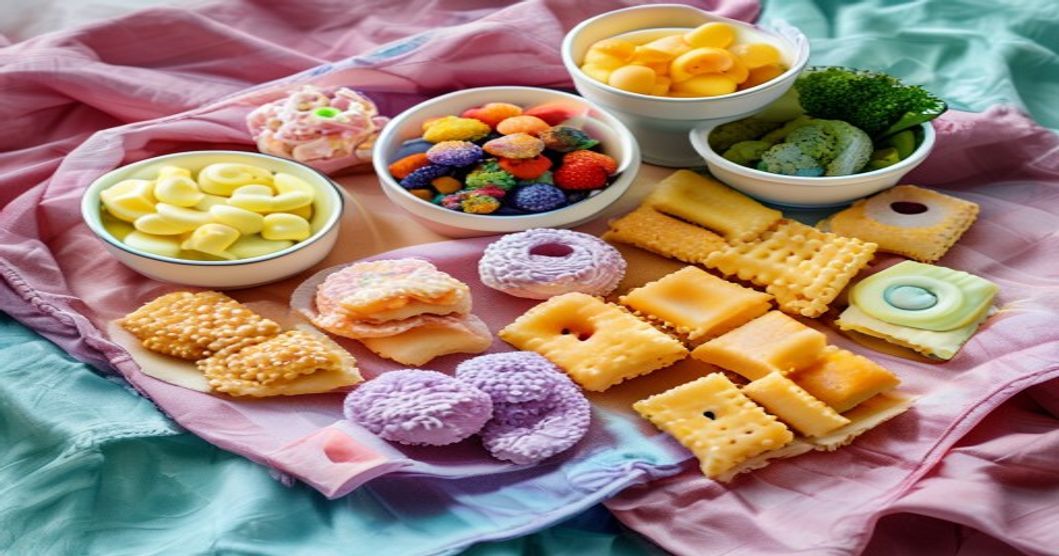
Korean snacks, especially yogurt-coated and seaweed items, go stale faster than you’d think, especially in humid climates. Once opened, seal everything tight. Keep them in a cool, dry place or even the fridge if your home is steamy.
Cheese-based crackers and honey butter snacks last longest (a few weeks). Yogurt-coated treats and seaweed should be eaten within days of opening. Check the original package for storage tips—many suggest refrigeration.
For a full breakdown on keeping these snacks fresh, read our storage guide.
One Last Trap: Counterfeit Snacks
Buying online? Watch for counterfeits. Real Korean snacks have clean packaging, readable expiration dates, and correct branding. If a deal seems too good to be true or the packaging looks off, it probably is. Stick to verified sellers. For more on spotting fakes, check our counterfeit spotting guide.
Korean snacks are not all spicy. Picky eaters have tons of genuine options—honey butter crackers, sweet rice cakes, yogurt-coated treats, and mild seaweed snacks are all real, delicious, and easy to find in any Korean convenience store. The trick is knowing what to look for: soft-colored packaging, recognizable flavor words, and the absence of the word “매운” (spicy). Buy one new snack per trip, keep things sealed tight, and you’ll build a collection of favorites that actually make you happy. Korean convenience stores exist for a reason—they’ve nailed the art of making snacks that work for everyone, even people who run from spice.
FAQ
Are all Korean snacks spicy? No. While Korea is famous for spicy food, convenience stores stock plenty of mild options—cheese crackers, sweet rice cakes, yogurt-coated treats, and seaweed snacks with no heat at all. The red packaging often signals spice, but plenty of mild items come in other colors.
Where can I buy Korean snacks for picky eaters if I don’t live in Korea? Amazon and other online retailers stock mild Korean snacks. Korean grocery stores (if nearby) often have a wider selection and fresher stock. Subscription snack boxes curated for non-spicy preferences are also an option. Check expiration dates when ordering online.
What’s the difference between Korean snacks at a Korean convenience store versus a regular supermarket? Korean convenience stores (like GS25 or CU) stock far more variety and often have items not available elsewhere. Regular supermarkets carry a smaller, often outdated selection. Prices and freshness are usually better at the Korean source.
How do I know if a Korean snack is spicy before I buy it? Look for red packaging and spicy-looking graphics—that’s usually a warning sign. Check the Korean text for “매운” (maun, meaning spicy). Sweet or savory snacks often have softer colors (pastel, white, yellow). When in doubt, ask a store clerk or read reviews online first.
Do mild Korean snacks taste good, or are they just safe choices? Many are genuinely delicious. Korean snack makers excel at sweet-savory combos, umami flavors, and cheese-based snacks. Honey butter crackers, for example, are beloved worldwide. Mild doesn’t mean boring—just no fire.
How long do Korean snacks stay fresh after opening? It depends on the type. Crackers and cookies last a few weeks in an airtight container; yogurt-coated items should be eaten sooner; seaweed snacks go stale faster. Check the package for guidance. Storing them in a cool, dry place (or in the fridge if humid) helps.
Disclosure: This article contains affiliate links to Amazon and may earn a commission on qualifying purchases. As an Amazon Associate I earn from qualifying purchases.