How to Store Korean Snacks After Opening: A Real Shopper’s Guide to Keeping Them Fresh
Disclosure: This post may contain affiliate links. We may earn a commission on qualifying purchases at no extra cost to you.
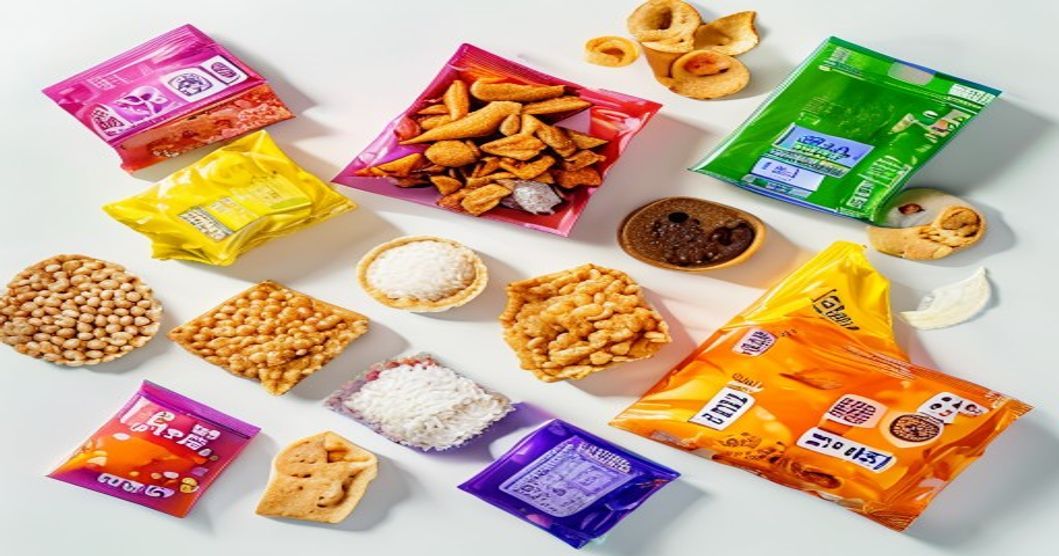
You just hauled home a stack of Korean convenience store snacks—crispy seaweed, chewy rice cakes, cream-filled cookies, spicy chips. By day two, half of it tastes like cardboard, and the rest is mysteriously sticky. Sound familiar?
Good news: keeping Korean snacks fresh after opening is actually simple once you know what to do. Different snacks need different care, but a few basic moves—airtight sealing, the right temperature, smart containers—can keep your stash crispy, chewy, and delicious for days longer.
Why Opened Korean Snacks Go Stale (And How to Stop It)
Korean snack packages are designed to stay shelf-stable for months—but the second you open them, moisture and oxygen start wrecking things. Humidity is the main culprit, especially in kitchens near stoves or bathrooms with steam. Crispy items like seaweed (kim), chips, and thin crackers lose their crunch within hours if exposed to air. Soft snacks like mochi and cream-filled cookies absorb moisture and develop weird flavors just as fast.
The fix is straightforward. You’re fighting two enemies: air (which causes staleness and weird flavors) and moisture (which turns crisps soggy and invites mold). Beat both, and your snacks stay good.
Storage Method 1: The Clip-and-Seal for Crispy Snacks
For seaweed packs, chip bags, and anything crunchy, a solid reseal is all you need.
Here’s how:
- Open the snack and take out what you want to eat.
- Push as much air as you can out of what’s left—without crushing it.
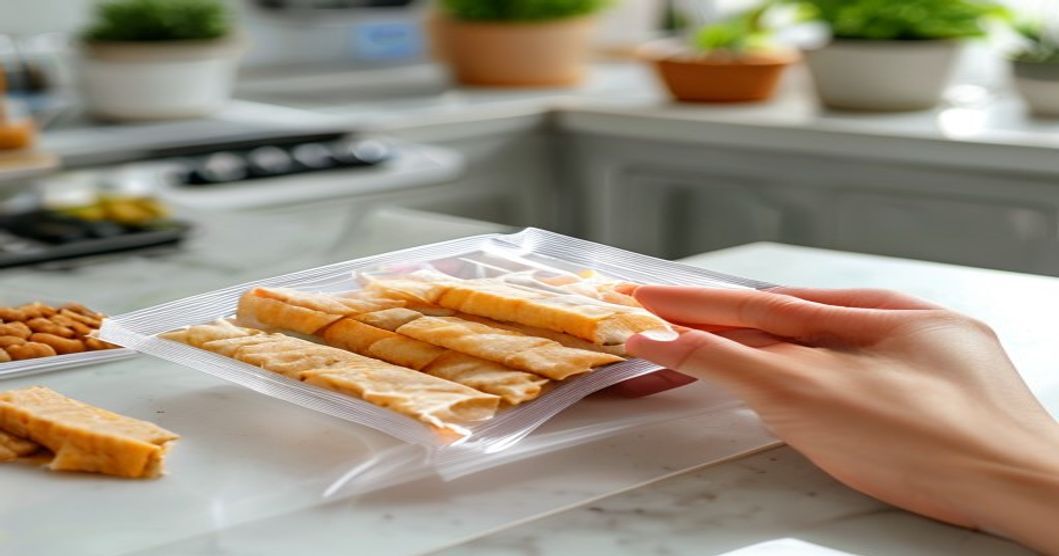
- Fold the bag top down tight, or clip it with a clothespin or freezer-bag seal.
- If the original bag is damaged or doesn’t seal well, transfer to a ziplock and squeeze out the air before closing.
- Store in a cool, dry cupboard or pantry—away from direct sun, the stove, and heat.
Seaweed really shines with this method. A properly sealed pack of gim (Korean roasted seaweed) stays crispy for several days with good storage. If it does soften, quick-toast it in a dry skillet over low heat for 20–30 seconds per side to get the crunch back.
Storage Method 2: The Refrigerator for Soft and Cream-Filled Snacks
Mochi, rice cakes (the vacuum-packed tteokbokki-style kinds), and anything with cream or custard filling—pastries, sandwich cookies—belong in the fridge. Cool air slows oxidation and moisture absorption, plus it stops mold from growing on soft items.
How to do it:
- After opening, move the snack to an airtight container or resealable bag. If the original package seals well, that works fine too.
- If items came individually wrapped (each cookie or rice cake), leave the wrapper on. It adds extra protection against moisture.
- Place the container on a middle or top fridge shelf, away from strong-smelling stuff (garlic, fish sauce) that might rub off.
- Eat within a reasonable window for the best taste and texture.
The fridge can seriously extend the shelf life of most soft Korean snacks compared to room temperature. Mochi that would get hard or sticky on the counter might stay softer for much longer in the fridge. Cream-filled pastries are less likely to dry out.
Storage Method 3: The Freezer for Long-Term Keeping
Overbought snacks? Freezing works—but not for everything.
Great for freezing:
- Cookies and cakes – They thaw at room temp and taste pretty much the same. Cream-filled ones freeze best.
- Bread-based snacks – Pastries, buns, and bread sticks handle freezing well and thaw fairly quickly.
- Mochi – Freezes fine, though texture changes a bit after thawing. Thaw on the counter, not in the microwave.
Skip freezing:
- Seaweed (kim) – Freezing then thawing damages the texture because of condensation.
- Chips and thin crispy snacks – They soak up moisture when thawed and get soggy.
- Filled rice cakes (tteok) – They tend to get gummy or fall apart.
How to freeze properly:
- Keep snacks in their original individual wrapping if you can.
- Put them in a freezer bag or airtight container, getting out as much air as possible.
- Write the date on the label so you know what you have.
- Thaw at room temperature in a sealed container to keep condensation from making everything wet.
- Most frozen snacks taste best within a few months.
The Airtight Container Setup (The Gold Standard)
Want maximum freshness and a cleaner kitchen? Invest in a few glass airtight containers. Glass beats plastic because it doesn’t absorb odors and won’t degrade. A small set costs pretty little and covers most snack storage.
How to set it up:
- One container for seaweed and crispy stuff, stored in a cool, dry cupboard.
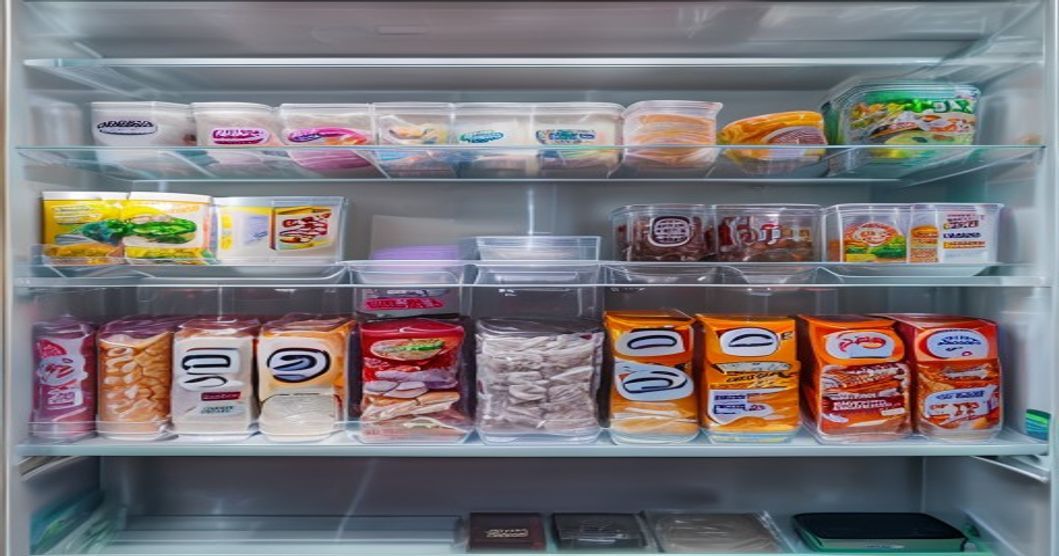
- Another for soft snacks (cookies, cakes, mochi), stored in the fridge.
- Label each one with the snack type and the date you opened it.
- Check weekly for moisture (condensation on the lid) or mold.
Glass containers also let you see what you have at a glance, which cuts down on duplicate buys at the convenience store. You can spot exactly what’s left and how much, so you don’t accidentally grab three more bags of gochugaru (Korean red chili flakes) chips when you already have three open ones at home.
- Keeps snacks fresh way longer than leaving them open
- Saves money (less wasted snacks)
- Your kitchen looks organized and intentional
- Flavors don’t contaminate each other
- You know instantly when you’re running low
- Takes a few extra minutes per snack
- Containers eat up fridge and pantry space
- You’ve got to buy containers or clips upfront
- Requires remembering to actually seal things back up
- Freezing doesn’t work for every snack type
The Humidity Problem (And How to Defeat It)
Humidity is the sneaky snack killer. If you live somewhere humid or your kitchen is right next to a bathroom or near the stove where steam rises, you’re already in a tough spot. Here’s how to win.
Fight humidity with these moves:
- Store in the coolest, driest spot you have. Upper kitchen shelves work better than lower ones (heat rises). A pantry beats open countertop.
- Throw silica gel packets in your containers. Save the desiccant packets from snack boxes and drop them in airtight containers with crispy snacks. They soak up excess moisture. You can recharge them if they get too wet.
- Keep snacks away from the stove and dishwasher. Both pump out moisture and heat.
- Don’t store in bathrooms or basements. Obvious, but worth saying out loud.
- In humid climates, default to the fridge for soft snacks. It’s the most humidity-controlled space most homes have.
Snack-by-Snack Quick Reference
Different Korean snacks need slightly different treatment. Here’s a cheat sheet for the most common ones you’ll grab.
| Snack Type | Best Storage | Approximate Shelf Life (Sealed) |
|---|---|---|
| Seaweed (Kim) | Cool, dry cupboard with clip seal | Several days to a week |
| Chips & Crisps | Cool, dry cupboard with clip seal | Several days |
| Mochi & Rice Cakes | Refrigerator in airtight container | About a week or longer |
| Cream-Filled Cookies & Pastries | Refrigerator in original packaging | 1–2 weeks |
| Crackers & Baked Snacks | Cool, dry cupboard; fridge if very soft | Several days to over a week |
| Dried Fruit & Nuts | Cool, dry cupboard with clip seal | 1–2 weeks or longer |
Who It’s For (And Who Should Skip This)
This works if:
- You buy Korean snacks in bulk and want them to stay fresh longer.
- You live somewhere humid where snacks stale fast.
- You’re getting Korean snack boxes shipped and want to stretch them over weeks.
- You like eating slowly instead of demolishing a whole pack in one go.
- You’re building a snack stash and want to keep it organized.
This might not be for you if:
- You eat snacks the moment you open them (no storage needed!).
- You hate using plastic bags or containers (glass containers are the answer).
- You live in a super dry climate where snacks stay crispy no matter what.
- You throw out half-eaten packages regardless (storage won’t help).
- You want fancy storage solutions (this is practical, not Instagram-worthy).
Signs Your Opened Snack Has Gone Bad
Before eating something that’s been open for a week or two, do a quick check.
- Mold or discoloration: Any fuzzy growth, dark spots, or weird color = throw it away immediately.
- Off-smell: Musty, sour, or just plain wrong = don’t eat it. Your nose is your best defense.
- Stickiness (on crispy items): Sticky seaweed or soggy chips aren’t moldy, but they taste gross. Not unsafe, just awful. Your call.
- Hardness (on soft items): Rock-hard mochi or dry pastries are stale, not spoiled. Still safe, but not fun.
- Condensation inside the container: Moisture buildup leads to mold. If you see droplets on the lid, move stuff to a dry container or eat it soon.
When in doubt, throw it out. A stale snack won’t poison you, but tossing one that’s lost its appeal beats risking something actually spoiled.
The Subscription Box Angle
If you’re getting Korean snack subscription boxes (the curated ones shipped periodically), storage matters even more. These boxes show up loaded with snacks, and you can’t eat them all fresh right away. Apply these rules the day your box arrives: sort snacks by type, reseal or transfer to containers, and stick soft items in the fridge. Do this on day one and everything stays good way longer.
For more on picking quality Korean snacks from convenience stores in the first place, check our guide on best Korean seaweed snacks from convenience stores and our piece on spotting fake Korean snacks. Worried about allergens or what’s actually in them? We’ve got a detailed guide to reading Korean snack labels too.
Keeping Korean snacks fresh after opening comes down to three rules: seal out air (clip, ziplock, or reseal), control moisture (airtight containers, silica gel, cool spots), and pick the right place to store (cupboard for crisps, fridge for soft items). Seaweed stays fresher sealed in a cool cupboard; cream-filled cookies keep better in the fridge. A few medium-size ziplocks and some clothespins cost almost nothing and extend freshness noticeably. If you’ve gone overboard with a big haul or subscription box, grab a small set of glass airtight containers—they’re practical and built to last. Your future self (and your taste buds) will thank you for it.
Final Checklist: Your Storage Starter Kit
- ☐ Clothespins or bag clips (cheap and essential).
- ☐ A box of small-to-medium ziplock bags.
- ☐ One or two glass airtight containers (worth the investment).
- ☐ Silica gel packets (save them from snack boxes).
- ☐ Labels and a pen (so you track what you opened and when).
- ☐ A cool, dry spot away from heat and steam (cupboard or pantry).
- ☐ Fridge space for soft snacks.
You don’t need all of these, but having them removes the guesswork. The payoff—fresher snacks, less waste, actual organization—is worth it.