Korean Convenience Store Must-Buys: The Complete Guide to CU, GS25 & Convenience Store Snacks
Disclosure: This post may contain affiliate links. We may earn a commission on qualifying purchases at no extra cost to you.
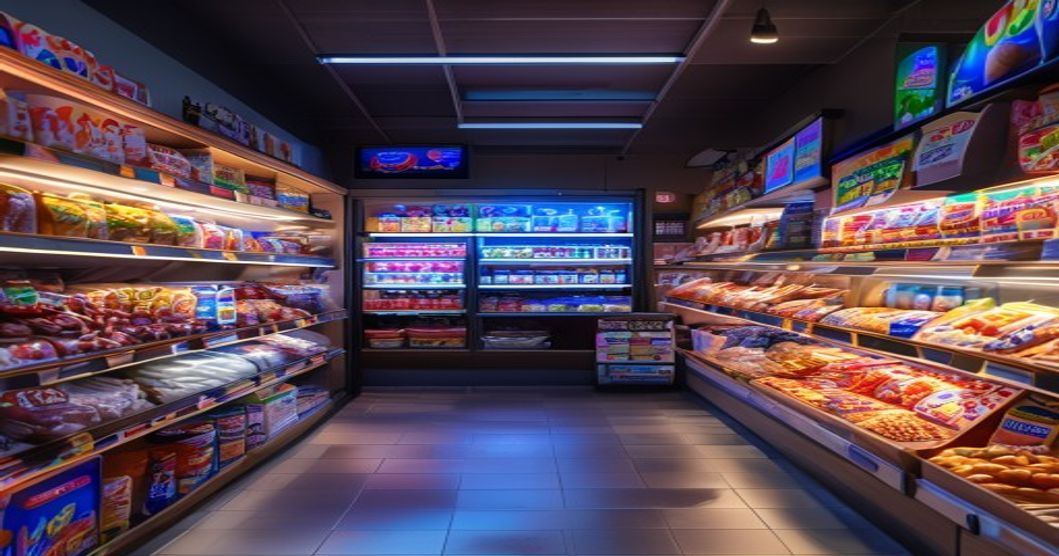
Walking into a Korean convenience store—whether CU, GS25, or Emart24—can feel overwhelming if you don’t know what you’re looking for. The aisles overflow with colorful snacks, drinks, and prepared foods in Korean, and most first-time visitors either grab the same familiar brands or walk out empty-handed. But here’s the truth: Korean convenience stores are treasure troves of affordable, unique snacks that you literally cannot find at the same quality or price anywhere else. This guide cuts through the confusion and tells you exactly what’s worth your money, what to skip, and how to eat like a local—not a tourist.
Top Picks: What to Actually Buy at Korean Convenience Stores
Best Choice
Kimbap (Korean sushi rolls), fresh dumplings (mandu), and gimbap are made in-store or restocked frequently. These offer an affordable way to eat authentic Korean food and tend to sell quickly during lunch and dinner. Look for discounted items late in the evening.
Best Value
Brands like Nongshim, Samyang, and house-brand ramyeon typically cost less per pack than comparable Western instant noodles. Rice cake snacks (tteok) and spicy variants offer variety. For a deep dive into ramen options, check our complete ramen snacks guide.
Premium Pick
Crispy seaweed snacks, shrimp chips, and honey butter chips (Orion’s Honey Butter Chip is a popular favorite) are flavorful, affordable, and travel well as gifts. These are harder to find outside Korea at comparable quality and pricing. Look for individually wrapped packs to avoid crushing.
The Best Korean Convenience Store Chains & Their Strengths
| Chain | Best For | Vibe | Snack Variety |
|---|---|---|---|
| CU | Wide snack selection, fresh food | Trendy, often busy | Excellent |
| GS25 | Budget house brands, clean stores | Organized, quieter | Good |
| Emart24 | Emart-brand items, larger format | Spacious, less crowded | Good |
| Ministop | Tropical-style drinks, desserts | Casual, friendly | Good |
Pro tip: CU and GS25 are among Korea’s most prevalent convenience store chains; you’ll find them frequently throughout major areas. Both carry comparable product ranges, so choose based on proximity and store condition.
Snack Categories That Will Blow Your Mind
Sweet Snacks & Candies
Korean convenience stores stock a wide variety of affordable sweets. Think caramel popcorn, almond chocolate bars, and fruit-flavored hard candies at various price points. The Korean candy guide has a full breakdown of authentic options, but in the convenience store, focus on:
- Choco Pie — Orion’s classic cake snack, crispy and chocolatey.
- Honey Butter Chips — Sweet, salty, popular with locals.
- Lotte’s Luncheon Meat Crackers — Distinctive flavor combination; savory-sweet fusion.
- Banana Milk & Strawberry Milk — Iconic drinks in retro packaging.
Savory & Spicy
If you enjoy bold flavors with heat and umami, Korean convenience stores offer abundant options. Every shelf typically has several choices:
- Spicy Squid Snacks — Chewy, spicy, and intensely flavored; popular among locals.
- Seaweed Snacks (Gim) — Paper-thin, roasted, with salt and sesame.
- Kimchi Potato Chips — Spicy, umami-forward; inspired by authentic kimchi flavors.
- Shrimp Crackers (Saeu Gangjeong) — Light, salty, and crunchy.
Drinks That Deserve Their Own Section
Korean convenience stores carry beverages you’ll have difficulty finding elsewhere. Beyond the famous Banana Milk:
- Yak-ult & Lactic Acid Drinks — Probiotic beverages in glass bottles. House-brand versions are typically more affordable.
- Coffee Drinks (Canned) — Ready-to-drink iced coffee in convenient sizes. Korean coffee culture emphasizes quality beverages.
- Sujeonggwa — Traditional cinnamon-ginger punch, usually available throughout the year.
- Corn Silk Tea & Barley Tea — Light, herbal options with zero sugar.
What to Avoid & Why
- House-brand items (typically more affordable)
- Fresh prepared foods (rotating stock)
- Single-serve packs (no waste)
- Seasonal or limited-edition snacks
- Items with Korean text only (authentic)
- International brands (often comparable pricing to your home market)
- Large multi-packs (if traveling light)
- Fresh items on opening shifts (older stock more likely)
- Anything with English translation (typically imported products at higher prices)
- Beauty or personal care (better value available at markets)
Insider Tips for Maximizing Your Haul
Timing Matters
Visit Korean convenience stores during evening hours for two key reasons: (1) prepared foods often receive price reductions before closing, and (2) you’ll encounter fewer tourists and experience fresher stock that hasn’t been heavily browsed. Peak shopping hours like lunch (12–1 PM) and after-work rush (5–7 PM) tend to deplete inventory fastest.
The Markdown Strategy
Watch for colored stickers on prepared foods—these indicate price reductions. Staff can provide information about typical discount timing if you ask politely (or point and say “discount?”). This strategy can meaningfully reduce your snack spending.
Mix Local & Tourist Items
Grab a few recognizable brands (Orion, Nongshim, Lotte) alongside house-brand options. This gives you familiar comfort items while keeping your palate open to new discoveries. Many house brands are often produced by the same manufacturers, just repackaged.
Talk to Staff
Convenience store workers in Korea are generally helpful. Point at something unfamiliar and ask “What is this?” or “Is this popular?” Many speak English, and even if they don’t, their enthusiasm can help you make choices. You may also pick up Korean words for snacks.
How to Buy Korean Convenience Store Snacks Online
Can’t visit Korea or a Korean market? Online options are available:
- Amazon — Search “Korean snack box” or specific brands like “Orion” or “Nongshim ramyeon.” Prices are higher than in-store, but selection is solid. As an Amazon Associate I earn from qualifying purchases.
- Korean Snack Subscription Boxes — Services like YesStyle, Bokksu, and others curate monthly Korean snack selections. These range in price and offer a way to sample variety.
- Asian Grocery Websites — Specialized retailers often stock Korean convenience store favorites at varying markups.
Trade-off: online purchases are convenient but typically cost significantly more than in-store Korean prices. If you become interested in Korean snacks as a regular interest, visiting Korea in person provides access to the best selection and pricing.
Who This Is For (& Who It’s Not)
Perfect For:
- Travelers visiting Korea seeking authentic, affordable food
- Snack enthusiasts curious about Korean flavors and novel items
- People sending Korean snack hauls to friends and family abroad
- Anyone wanting shelf-stable souvenirs that don’t require refrigeration
- Expats in Korea looking to optimize their grocery budget
Not Ideal For:
- People with severe food allergies (Korean labeling requires fluency to decode accurately)
- Those seeking health foods or specific macronutrient profiles (most snacks are calorie-dense and emphasize sweet or salty flavors)
- Travelers with minimal luggage space (snacks add weight and volume)
- Anyone expecting Western-familiar flavors (Korean snacks tend to feature bold, distinctive tastes)
- People on strict budgets who prioritize staple foods (snacking is discretionary spending)
The Real Value Proposition
Here’s why Korean convenience store snacks matter: you’re accessing authentic, affordable products at a significant difference compared to what imported versions cost elsewhere. Korean pricing for convenience store snacks is notably lower than online international retailers. Fresh kimbap found in convenience stores costs a fraction of restaurant prices. Instant ramyeon offers budget-friendly quick meals.
The convenience store is not primarily a tourist destination—it’s where locals shop regularly. When you buy what Koreans buy, you’re tapping into authentic Korean food culture, not a curated experience for outsiders. Snacks purchased during evening hours, consumed while exploring a Korean neighborhood, will feel more authentic than items ordered online from abroad.
Korean convenience stores are excellent places for snack lovers, travelers, and anyone curious about Korean food culture. Focus on fresh prepared foods for authentic experiences, prioritize house-brand instant noodles and savory snacks for value, and consider visiting during evening hours for potential discounts. If you can’t visit Korea, snack subscription boxes and online retailers offer access, but in-store shopping provides superior selection and pricing. Whether you’re a first-time visitor or returning snack enthusiast, these stores offer varied options worth exploring. Start with the top picks in this guide, then follow your interests—and watch what locals choose.
FAQ: Korean Convenience Store Snacks
Got questions? Here are the most common ones from snack hunters and first-time visitors.