Korean Snack Flavors That Taste Nothing Like American Brands: A Convenience Store Taste Test Guide 2026
Disclosure: This post may contain affiliate links. We may earn a commission on qualifying purchases at no extra cost to you.
Here’s the myth everyone believes: Korean snacks are just “fancy versions of what we eat at home.” Wrong. Dead wrong. Walk into a Korean convenience store expecting Doritos-adjacent flavor bombs and you’ll get something your taste buds didn’t sign up for—in the best way possible. Korean snack culture doesn’t borrow from American playbook. It writes its own. And that’s exactly why a first taste of Korean seaweed snacks, corn-flavored crackers, or butter-and-garlic potato chips hits different.
Korean snacks prioritize umami, fermented flavors, and savory-sweet balance—totally different flavor logic than American brands. Your first taste test will surprise you. Expect less sugar, more salt, and way more complex seasoning blends.
The Core Difference: Why Korean Snacks Aren’t Just “Asian Versions” of American Snacks
American snack design follows a simple formula: sweet, salty, or savory with one dominant note. Bag of Cheetos? Cheese and salt. A Hershey bar? Sweet and vanilla. Done.
Korean snack engineers think sideways. They layer flavors. A single snack might hit you with corn, butter, garlic, seaweed salt, and a whisper of sweetness—all in one bite. It’s not trying to taste like a cheeseburger or barbecue ribs (though those flavors exist). It’s drawing from Korea’s own food traditions: fermented gochujang (Korean fermented red chili paste), anchovy and kelp broths, sesame, wasabi, and that magical savory-umami depth that Asian cooking nails.
The result? Flavors that feel genuinely *new* to American palates. Not weird. Just different. And once you realize the difference, you’ll never look at a bag of potato chips the same way.
The Umami and Fermentation Factor
Ask a Korean snack maker why their chips taste better and they’ll tell you: fermented ingredients. Gochujang, doenjang (Korean soybean paste), anchovy powder, kombu (kelp)—these show up in places American brands never think to put them.
Take a standard “shrimp” chip. In America, that means artificial shrimp flavoring—a chemical approximation. In Korea, it often means actual shrimp, anchovy, and fish sauce building a umami bomb that makes your mouth water. It’s savory in a way that feels *real* because, well, it kind of is.
This is also why Korean snacks sometimes taste salty upfront. They’re not oversweetened to mask the salt the way many American snacks are. They let the fermented ingredients shine. Once you get used to it, American brands taste one-dimensional and sugar-heavy by comparison.
On your first Korean snack haul, don’t compare flavors to American equivalents. Instead, notice the *layers*. A Korean cheese cracker might have cheddar, but also butter, a hint of sweetness, and salt. That complexity is intentional. Savor it.
The Sweet-Savory Flip: Why “Butter” and “Cheese” Snacks Surprise You
Korean snack makers love a butter-and-garlic flavor combo. American snack makers? Not so much. A Korean butter-flavored cracker or chip often includes brown sugar or a touch of sweetness that plays against the buttery, savory salt. It’s not “sweet,” but it’s not purely savory either.
This throws people off at first. Especially if you open a bag expecting it to taste like Pringles Original and instead get something closer to a salted caramel chip—but savory, not dessert-ish.
Corn snacks are another wild card. Korean corn chips sometimes have a honey-butter layer, or a garlic-and-soy seasoning that feels like a completely different snack category. There’s no American equivalent because American corn snacks rarely mess with the sweet-savory balance the way Korean brands do.
Seafood Flavoring: The Secret Ingredient Americans Rarely Use
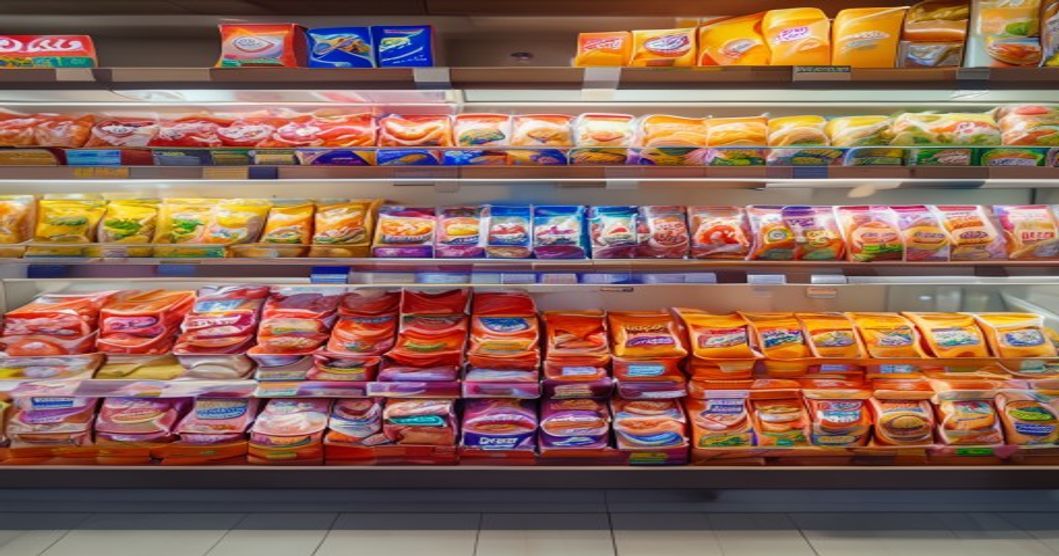
Walk down a Korean convenience store snack aisle and you’ll see dozens of seafood-flavored options: shrimp, squid, crab, anchovy, or “seafood cocktail.” This isn’t niche stuff. It’s mainstream.
In America, seafood-flavored snacks exist but they’re novelty items. In Korea, they’re just… snacks. Regular Tuesday snacks. The flavor comes from actual seafood powders and fish sauce, not artificial “sea salt” or vague “ocean” flavoring.
First-time tasters either love this or need a second bite to adjust. There’s no middle ground. The funk is real, the umami is intense, and it’s nothing like the wimpy imitation seafood flavors Western brands offer.
Heat and Spice: Not All Korean Snacks Burn
The myth: “All Korean snacks are spicy.” False. Yes, plenty use gochugaru (Korean red chili flakes) or gochujang-based seasonings and they *will* make your mouth tingle. But many Korean snacks have zero heat.
Chocolate, butter, mild cheese, and honey-flavored snacks are everywhere. The trick is reading the label. If there’s a chili pepper symbol or the word “spicy” (usually written as “매운” or “hot”), brace yourself. If it says “cheese,” “butter,” or “sweet,” you’re probably safe.
For spicy-sensitive folks, check out articles on Korean snacks for picky eaters with no spicy tolerance. Not every Korean snack is a five-alarm fire.
How to Structure Your First Korean Snack Taste Test
Ready to try Korean snacks intentionally instead of randomly grabbing whatever looks cool? Here’s a framework:
- Start with the familiar-sounding flavors. Cheese, butter, honey, chocolate. You’ll notice the differences in seasoning and sweetness without the shock factor.
- Move to umami-forward flavors next. Try a seafood chip, a seaweed snack, or a savory cracker. Let your palate adjust to the depth.
- Then explore the weird ones. Garlic butter corn, spicy squid, or anything with a name you can’t quite pronounce. By now your taste buds are ready for the adventure.
- Have a drink nearby. Not for heat relief—just to cleanse your palate between flavors so you taste each one fresh.
- Take notes. What did you expect? What surprised you? This shapes future purchases and helps friends understand what you’re recommending.
- Don’t dismiss a flavor on taste one. Korean snacks are polarizing. Something you hate on bite one might grow on you by bite ten. Give it a fair shot before writing it off.
The Cost Factor: Are Korean Snacks Worth It?
A single Korean snack or drink at a Korean convenience store typically runs $1 to $3 USD. Compared to American convenience store snacks—which also hover around $2 to $4—they’re competitive. Sometimes cheaper, especially if you’re buying direct at a Korean market rather than through online retailers.
The real value? You’re getting more complex flavoring and often more interesting variety for the same price. Instead of choosing between “regular” and “barbecue” potato chips, you’ve got butter-and-garlic, seaweed-and-salt, or honey-butter options. More bang for your buck in terms of *experience*.
If you live near a Korean market or convenience store, a haul costs way less than ordering online. Shipping inflates prices. But if you’re using Amazon or a snack box subscription, expect to pay a markup for convenience.
Where to Find and Buy Korean Snacks
Your best bet is a physical Korean convenience store (GS25, CU, Emart24) or a local Korean market. You’ll see the full range, prices are lowest, and you can read labels carefully before buying.
No Korean store nearby? Amazon carries a growing selection of Korean snacks, and you can often buy multi-packs at a reasonable per-unit cost. Snack box subscriptions also deliver curated Korean snacks monthly, though this adds up over time.
For budget hauls, check out our guide on Korean snacks under $5 for office workers. It breaks down the best value-per-snack options at convenience stores.
Storage and Shelf Life: Keep Them Fresh
Here’s what nobody tells you: Korean snack storage matters. Most packaged snacks stay fresh in a cool, dry place for months. But some items—like mochi-based snacks or filled pastries—have shorter shelf lives once opened.
After opening, reseal packages with a clip or keep them in an airtight container. Humidity is the enemy of crispness. If you live somewhere warm or humid, consume opened snacks faster or store them in the fridge (not the freezer, unless specified).
For a deeper dive on this, see our guide on how to store Korean snacks after opening.
- Keep packages sealed with a clip or in an airtight container after opening
- Store in a cool, dry place away from direct sunlight
- Avoid humidity—use a pantry, not the kitchen counter near the stove
- Check expiration dates on the back of packages (often printed in Korean)
- Eat opened snacks within a few days to a week for maximum crispness
Common Taste Test Mistakes
Mistake #1: Comparing directly to American brands. You’ll always feel disappointed. Korean snacks aren’t trying to be Lay’s or Cheetos. They’re their own thing. Judge them on their own terms.
Mistake #2: Assuming spice without checking labels. That red package might look scary but taste mild. Read or ask before biting.
Mistake #3: Opening too many at once. A taste test haul should be 5–7 different snacks, not 20. Your palate gets fatigued. Quality over quantity.
Mistake #4: Ignoring the ingredient list. If you have allergies or dietary restrictions, Korean snacks often contain seafood, sesame, or soy in unexpected places. Always check.
Mistake #5: Expecting one flavor per snack. You’ll notice most Korean snacks have multiple layers. Don’t judge on the first chew. Let the flavor develop.
What Korean Snack Flavors Tell You About Korean Food Culture
Korean snacks aren’t random. They reflect what Koreans actually eat. Gochujang, seaweed, sesame, fermented pastes, seafood broths—these are pantry staples in Korean cooking. When you taste a snack flavored with these ingredients, you’re tasting a mini version of Korean cuisine.
Butter and garlic? Those came from Korean-fusion food trends in the 2000s and 2010s. Honey? It’s popular in modern Korean desserts and cafes. The snack aisle is a flavor snapshot of what Korea’s eating right now.
This is also why Korean snacks feel “fresher” or more inventive than American brands. They’re not trapped in nostalgia. They evolve with food trends and culinary interest. New flavors show up constantly, and weird combinations are normal.
Korean snacks taste radically different from American brands because they’re built on a different flavor logic: umami, fermentation, and layered seasoning instead of dominant single notes. Your first taste test will surprise you. Skip the comparison game, approach each snack as its own thing, and let your palate adjust over a few bites. Start with familiar-sounding flavors, work toward umami-forward ones, then experiment with the weird stuff. The cost is competitive, and the flavor variety is worth every penny. If you don’t have a Korean convenience store nearby, Amazon and snack subscriptions work, though they cost more. Bottom line: go in curious, not expecting American equivalents, and you’ll love it.
Affiliate Disclosure
This post contains affiliate links to Amazon and snack box subscription services. If you click and purchase through these links, I may earn a small commission at no extra cost to you. As an Amazon Associate I earn from qualifying purchases. Thank you for supporting this site.