Best Korean Snacks Under $5 for Office Workers: Budget-Friendly Convenience Store Haul Guide 2026
Disclosure: This post may contain affiliate links. We may earn a commission on qualifying purchases at no extra cost to you.
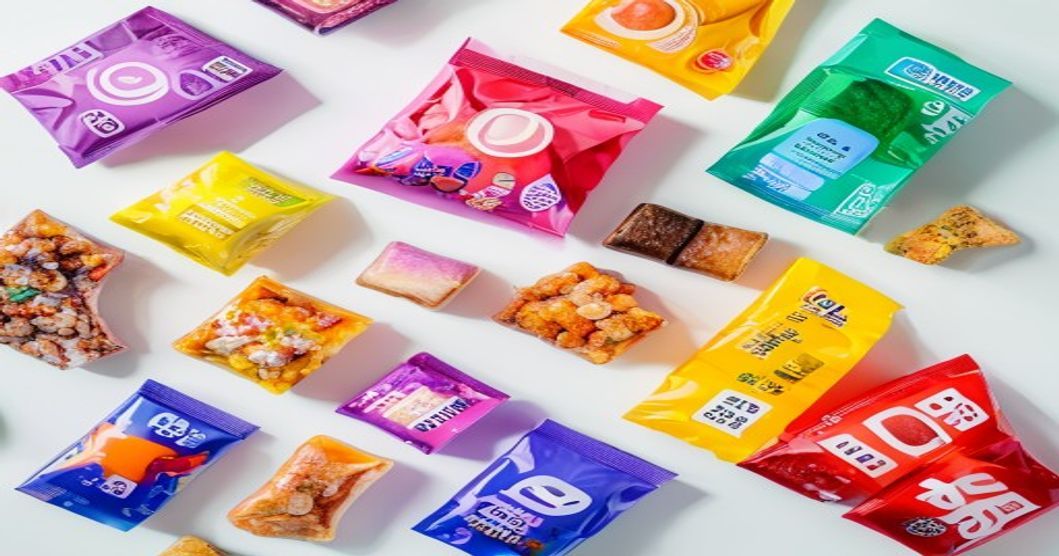
You’re standing in the snack aisle of a convenience store—or maybe scrolling through an online order—and Korean snacks are calling your name. But here’s the thing: not every viral TikTok haul item is actually worth the money, and some taste better in theory than in reality.
This guide is for office workers, desk dwellers, and anyone who wants to load up on Korean snacks without blowing the budget. We’re talking realistic picks under $5 per item, stuff that actually tastes good, and honest takes on what’s hype versus what genuinely hits. No fluff, no overhyped rice cakes—just the snacks that earn their shelf space in your desk drawer.
Top Picks: Korean Snacks Worth Your Money
Best Pick
Thin, crispy sheets of roasted seaweed (nori)—usually seasoned with salt, wasabi, or a touch of sesame oil. Perfect for office snacking because they’re light, non-greasy, and won’t stain your keyboard. Most quality versions run $2–$3.50 per package and deliver serious flavor. Check the seaweed snack guide for brands worth buying.
Best Value
Light, airy rice crackers or shrimp-flavored puffs that practically melt in your mouth. They’re satisfying without being heavy, and they last a long time in your desk after opening (unlike fresh snacks that go stale fast). Price range: $2.50–$4 for a decent-sized bag. Watch out for imitation brands—the cheaper knock-offs taste like cardboard.
Premium Pick
Roasted nuts, seeds, and sometimes dried vegetables tossed with a light seasoning. These are more substantial than other snacks and keep you full longer. Typically $3.50–$4.50 per package. Great for mid-afternoon energy dips when you need something with a bit of protein. Not as convenient as finger-licking snacks, but absolutely worth it.
Snack Comparison: What’s Actually Worth Buying
| Snack Type | Price Range | Best For | Verdict |
|---|---|---|---|
| Seaweed Snacks | $2–$3.50 | Quick office snack, low-calorie option | ✓ Worth it |
| Rice Crackers | $2.50–$4 | All-day snacking, less guilt | ✓ Worth it |
| Nut/Seed Mixes | $3.50–$4.50 | Afternoon energy, satiety | ✓ Worth it |
| Tteokbokki (Spicy Rice Cakes) | $3–$5 | Heat lovers, warming snack | △ Depends on heat tolerance |
| Celebrity-Brand Cookies | $4–$6+ | Gift giving, brand hype | ✗ Overpriced |
| Dried Squid (Ojingeochae) | $3–$4.50 | Savory craving, protein boost | ✓ Acquired taste, worth trying |
Why Office Workers Love Korean Snacks (and Why the Budget Matters)
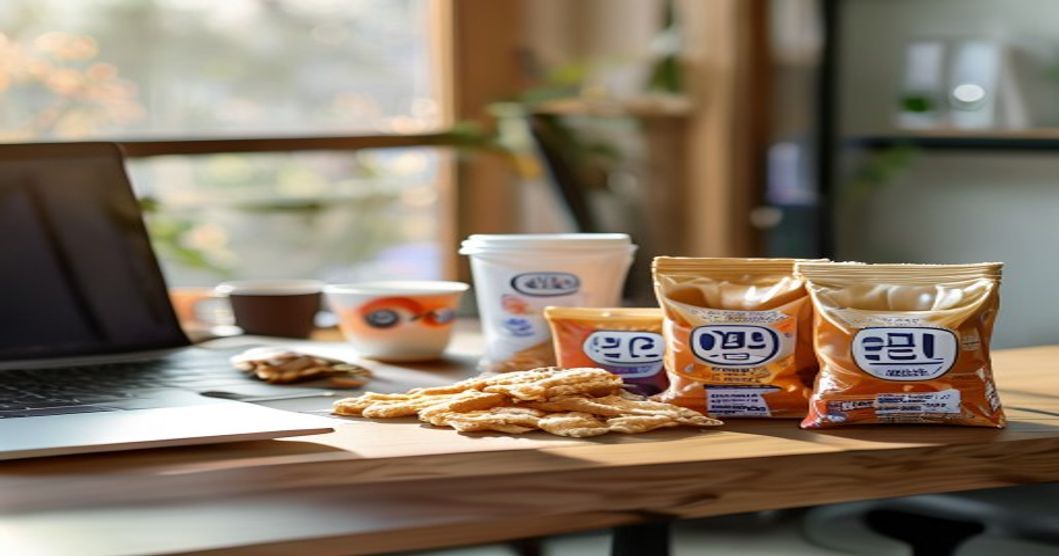
Korean snacks hit differently in an office setting. They’re designed for constant grazing—portion sizes are modest, flavors are bold, and most won’t leave your hands sticky or greasy. You’re not going to destroy a tteokbokki (spicy rice cake) in five seconds like you might with a bag of crisps; you’re savoring each bite.
The under-$5 rule isn’t arbitrary. Above that price point, you’re often paying for packaging hype or shipping costs, not actual snack quality. A $2 pack of seaweed snacks tastes just as good as a $5 “premium” version at a tourist market. Learn the price range, and you’ll spot the markup traps immediately.
Where to Buy: Convenience Store vs. Online vs. Korean Markets
Convenience Stores (7-Eleven, CVS, Walgreens)
Limited selection, but prices are consistent ($3–$5 per item). The snacks are usually shelf-stable and fresh. Markup is real, but convenience is the trade-off. Good for emergency desk snacks.
Korean Convenience Store Chains (H Mart, 99 Ranch, Local Korean Markets)
Better selection, lower prices (often 25–40% cheaper than chain convenience stores), and fresher items. You can actually browse and compare brands. This is where you want to shop if you have one nearby. You’ll find items that cost $3.50 online for $2 in-store.
Online (Amazon, Snack Subscriptions)
Convenience wins here, but watch shipping costs. A snack that costs $2.50 in-store becomes $5 after shipping. Subscription boxes can offer bulk deals, but only if you actually like everything in the box. Read reviews carefully—some subscriptions are all hype, minimal flavor.
Pros and Cons of the Korean Snack Office Game
- Bold, satisfying flavors that make snacking feel less guilty
- Portion-controlled packaging (you’re not tempted to overeat)
- Wide variety—seaweed, nuts, crackers, dried fruits, spicy options
- Budget-friendly at $2–$4 per item in local markets
- Less sugar than many American candy snacks
- They last weeks in your desk drawer without going stale
- Convenience store markup: same snack costs 2–3x more at tourist shops
- Some items are spicy—not ideal if you have a low heat tolerance
- Limited selection outside Korean markets or online
- Packaging is sometimes hard to read (ingredient labels in Korean or tiny English text)
- Shipping costs kill the budget if buying online
- Celebrity-brand snacks are overhyped and overpriced
Real Talk: Snacks Worth Trying vs. Skip
Try first: Seaweed snacks, honey butter chips (if you can find them under $4), choco pie, and any nut mix. These are crowd-pleasers and rarely disappoint.
Approach with caution: Anything spicy if you have a low heat tolerance—Korean brands don’t hold back on gochugaru (chili powder) or gochujang (fermented chili paste). Also, avoid aged items at marked-up prices. Check expiration dates, especially at tourist shops.
Skip entirely: Branded celebrity snacks with minimal actual content. A $5 box of cookies from a K-pop idol brand is the same price as five seaweed snack packs that taste better. You’re paying for the name, not the snack.
Building Your Office Snack Stash (Budget Breakdown)
If you’re setting up a desk snack drawer for a month, here’s a realistic $30–$40 budget that gets you variety:
- Seaweed snacks: 3 packs × $2.50 = $7.50
- Rice crackers: 2 packs × $3 = $6
- Nut mix: 2 packs × $4 = $8
- Dried squid or jerky: 1 pack × $3.50 = $3.50
- Honey butter or savory chips: 2 packs × $3.50 = $7
- Budget buffer for impulse buys: $8–$10
That’s roughly 10–12 snack packs for a month, varying flavors, and staying under budget. Adjust based on your local prices, but that’s a realistic framework.
For Picky Eaters: Milder Options
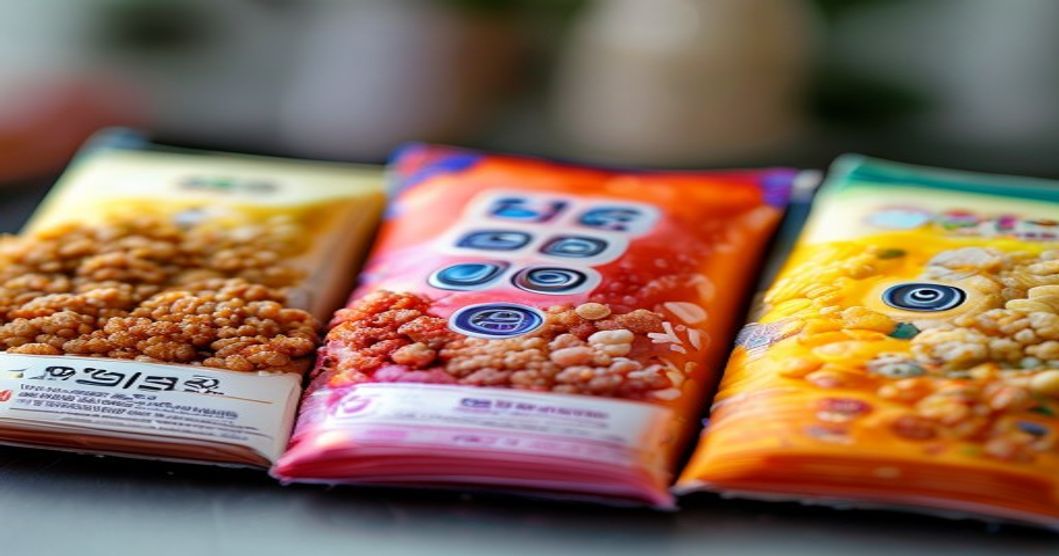
If spicy isn’t your thing, stick with seaweed snacks (usually just salt), rice crackers, honey butter crisps, and nut mixes. We’ve also published a full guide on Korean snacks for picky eaters with no spicy tolerance that walks you through convenience store options that won’t ignite your mouth.
Storage: Keeping Snacks Fresh After You Open Them
This matters more than you’d think. Korean snacks come in resealable packaging, but that seal doesn’t last forever. Check out our guide on storing Korean snacks after opening for detailed advice, but the quick version: keep seaweed in an airtight container, let crackers cool completely before sealing, and store nut mixes in cool, dry spots away from heat. Most last 2–3 weeks if you seal them properly.
Online Buying: When It Makes Sense
Ordering Korean snacks online works if you’re buying multi-packs (3+ boxes together) or going through a snack subscription. Single-item purchases almost never pencil out once you factor in shipping. If you live nowhere near a Korean market, a subscription box might justify the cost—just read customer reviews first. Some are excellent; others are filler and hype.
Korean snacks under $5 are a legitimate way to level up your office grazing game without spending a fortune. Seaweed snacks, rice crackers, and nut mixes deliver the best flavor-to-price ratio. Skip the celebrity brands and buy at Korean markets when possible—the same snack costs half as much. Start with the top picks above, experiment with what you actually like, and you’ll build a desk drawer stash that actually gets eaten instead of forgotten.
Who This Is For (and Who It’s Not)
This works great if you:
- Work at a desk and graze throughout the day
- Want bold flavors without American snack heaviness
- Are budget-conscious and willing to shop around for prices
- Live near or have access to Korean markets
- Like trying new foods and don’t need everything perfectly familiar
This might not fit if you:
- Have a very low spice tolerance (many Korean snacks lean savory/spicy)
- Only shop at mainstream chain convenience stores and expect low prices
- Prefer buying single snacks and can’t deal with resealable packaging management
- Have dietary restrictions that require reading ingredient labels in Korean first
- Live somewhere with zero Korean food access and won’t order online
Disclosure: This article contains affiliate links. I may earn a commission if you click through and make a purchase on Amazon or through snack subscription services. As an Amazon Associate I earn from qualifying purchases. All opinions and recommendations are based on value for money and actual snack quality, not commission rates.