Korean Snack Alternatives to Popular American Chip Brands for Kids’ Lunchboxes 2026
Disclosure: This post may contain affiliate links. We may earn a commission on qualifying purchases at no extra cost to you.
Your kid’s lunchbox looks the same every week: plain potato chips, maybe some pretzels, a yogurt. Safe. Predictable. Boring. And honestly? You’re missing out on a whole world of snacks that are just as crunchy, way more interesting, and honestly kind of cooler to pack. Korean snacks are the answer—they offer genuine alternatives to American chip brands without sacrificing the fun factor kids expect.
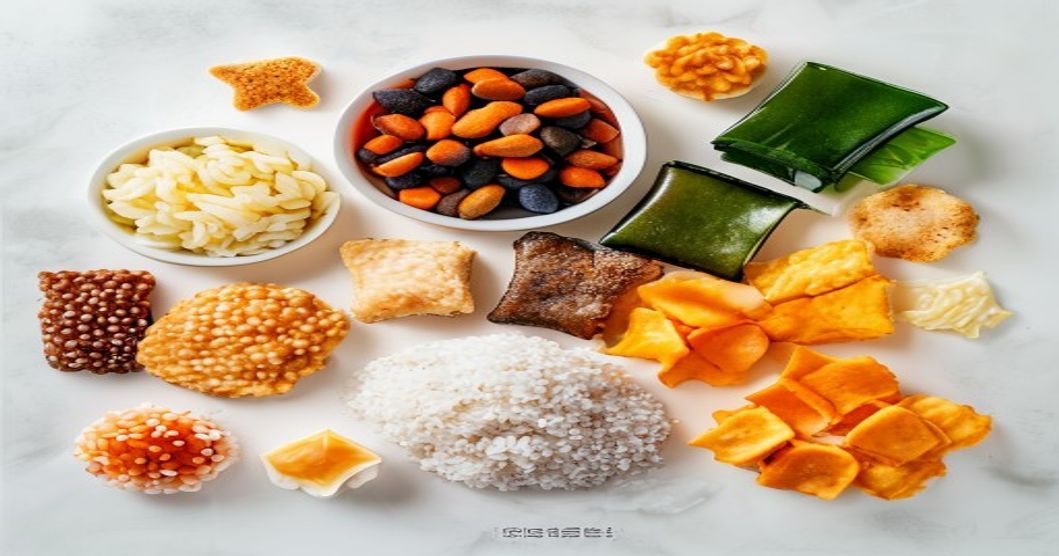
Swap seaweed snacks, crispy rice crackers, and roasted sweet potato chips for standard American brands—they’re crunchy, flavorful, and globally available. Start with mild honey butter or ocean-salt varieties if your kid is new to Korean snacks.
Why Korean Snacks Work as American Chip Replacements
The obvious reason: they’re crunchy. Kids don’t care where the crunch comes from—they just want something to bite into. Korean snacks deliver that in spades, often with way more personality than a plain salted chip.
But here’s the real play. American chip brands have basically nailed one flavor category—salty, greasy, reliable. Korean snacks operate on a totally different playbook. You get umami-forward seaweed, sweet and salty butter-flavored crisps, light roasted rice wafers, and chewy snacks that feel like a completely different food group. That variety means your kid gets excited about opening the lunchbox instead of groaning at another bag of Cheetos.
Plus—and this matters if you’re a parent who cares about this stuff—many Korean snacks are baked instead of fried, use less artificial coloring, and come in smaller, portion-controlled packages. That said, they’re still snacks. They’re not health food. They’re just interesting snacks.
The Top Korean Snack Swaps (And Why They Actually Work)
1. Seaweed Sheets (vs. Plain Potato Chips)
Here’s where a lot of parents hesitate. Seaweed? In a lunchbox? Yeah. And kids actually like them.
Seaweed snacks (called “laver” or “nori” sheets) come in paper-thin, crispy pieces seasoned with salt, sesame, or a touch of sweetness. They’re lightweight, they don’t leave greasy fingers, and they have this satisfying crunch that’s way more delicate than a potato chip. A pack of seaweed snacks takes up barely any room and provides serious flavor—sesame, salt, sometimes a hint of spice.
Worth it? Yes. The one caveat: if your kid has never tried seaweed, start with a small pack before committing to a multi-pack. It’s umami-forward and different, and some kids take a beat to warm up to it. But most? They get it. They like it.
2. Honey Butter or Garlic Flavored Crisps (vs. Flavored Chip Brands like Doritos)
This is the gateway Korean snack for American kids.
These crisps are light, airy baked chips that come in butter-honey, garlic, or sometimes spicy mayo flavors. They’re not trying to be exactly like Doritos; they’re their own thing. The texture is crispier and less greasy. The flavor is more subtle and complex—honey butter isn’t just salt and artificial flavor powder. It actually tastes like butter and a touch of honey. Garlic flavored ones hit savory without being aggressively salty.
Kids who grew up on chip brands often find these addictive because they’re cleaner tasting but still indulgent. No weird aftertaste. Just good snack.
Worth it? Absolutely. This is a solid 1:1 swap for Doritos or Cheetos lovers.
3. Roasted Sweet Potato Chips (vs. Standard Potato Chips)
If you’re looking for something that feels a little more substantial, sweet potato chips are it.
Korean brands make thin-sliced, roasted (not fried) sweet potato chips that come in plain, spicy, or honey-glazed varieties. They taste like actual sweet potato—there’s real vegetable flavor—but they’re still snack-satisfying and crunchy. The natural sweetness means they appeal to kids who sometimes get tired of purely salty snacks.
Real talk: they’re slightly less greasy than American chip brands, and they actually have a little nutritional substance (they’re still a snack, but there’s fiber and some vitamins in there). For a parent feeling slightly guilty about the lunchbox snack situation, this one feels like a win without being preachy about it.
Worth it? Yes, especially as a rotation item. Mix it with seaweed one week, honey butter crisps the next.
4. Rice Crackers or Prawn Crackers (vs. Puffed Snacks like Cheetos Puffs)
Rice crackers are the underrated hero of the Korean snack world.
They come in flavors like salt, sesame, shrimp (or “prawn” in the Korean labeling), or even sweetened versions. The texture is completely different from a Cheeto puff—more brittle, more satisfying to bite, less powdery. Shrimp-flavored ones have actual depth (umami from dried shrimp powder) instead of artificial cheese flavor. Sesame varieties are nutty and sophisticated without being weird for a kid’s palate.
The bonus: rice crackers don’t leave your hands orange or covered in artificial dust. They’re compact, shelf-stable, and honestly pretty elegant for a snack.
Worth it? Totally, especially if your kid likes a crispy-but-less-messy snack experience. This is a smart choice for school lunches where getting your shirt covered in snack dust matters.
5. Dried Fruit or Soft-Baked Snack Pieces (vs. Chips for Sweet Cravings)
Not every lunchbox snack has to be savory.
Korean convenience stores stock soft-baked cookies, dried mango, fruit gel candies, and even vegetable-based snack pieces (like dried corn or peas). If your kid bounces between salty and sweet during lunch, having a Korean snack option in the sweet category gives you flexibility. The best ones taste like actual fruit or the ingredient they’re labeled as—no artificial sweetener hangover.
Worth it? If your kid likes variety or you’re trying to reduce constant repetition of the same chip flavor every day, absolutely. One of these mixed with a seaweed snack and a rice cracker makes for a way more interesting lunchbox day.
Where to Buy Korean Snacks for Your Lunchbox Rotation
Availability is way better in 2026 than it was even three years ago.
Amazon is your easiest route for variety packs and bulk buying. Search for “Korean snack assortment” or specific flavors (honey butter crisps, seaweed snacks, rice crackers) and you’ll find multi-packs at reasonable per-item costs. As an Amazon Associate I earn from qualifying purchases.
Asian markets or grocery stores with an international aisle typically carry fresh stock of Korean snacks—often cheaper than online and you can inspect packages before buying. Look for brands that are ubiquitous in Seoul convenience stores; those same brands are increasingly distributed in North America.
Snack subscription boxes focused on Korean or Asian snacks will curate monthly picks for you. Some include tasting notes or pairing suggestions, which is helpful if you’re new to the category. Prices range from budget-friendly to premium, depending on the service.
Mainstream grocery chains are stocking more Korean brands in their snack sections. Whole Foods, Trader Joe’s, and even some Target locations now carry Korean crackers or seaweed snacks. Prices are a bit higher, but convenience is real.
Who This Works For (And Who It Might Not)
- Kids who like crunchy snacks but get bored with the same chip flavors
- Parents wanting to reduce greasy or heavily processed snacks without going full “health mode”
- Adventurous eaters or families with multicultural taste profiles
- Lunchboxes that need to stay neat (seaweed and rice crackers are less messy than cheese puffs)
- Rotating variety into snack routines to reduce monotony
- Your kid is extremely picky and resistant to unfamiliar flavors (start small, not with multi-packs)
- Severe nut allergies or shellfish allergies exist—some Korean snacks are made in shared facilities or contain these
- You’re looking for the absolute cheapest per-ounce snack option (Korean snacks are comparable to mid-tier American brands, not budget chips)
- Your school has strict import/foreign food restrictions (rare, but check)
Real Talk: The Transition Strategy
If your kid has eaten American chips exclusively, don’t just swap everything overnight. That’s how you end up with seaweed snacks coming home unopened in the lunchbox.
Instead, try this: Pick one Korean snack to test at home—maybe honey butter crisps because they’re closest to familiar flavors. Let your kid have it as an afternoon snack, no pressure. If they like it, great; you’ve found a lunchbox item. If not, no big deal—you’ve only bought one small pack.
Once you find one winner, introduce a second variety the next week. Mix-and-match is key. Most kids who are resisting Korean snacks aren’t resisting because the snacks are bad; they’re resisting because it’s different. Giving them a familiar anchor item (maybe still a small bag of their favorite American chip brand) alongside something new makes the new thing feel less risky.
Also—and this matters—involve your kid in the choice. “Should we try the garlic rice crackers or the honey butter crisps next?” turns it into a game instead of a parent mandate. Kids are way more likely to eat something if they felt like they picked it.
Within a month or two of casual rotation, most kids stop thinking of Korean snacks as “the weird stuff” and start actually preferring them because there’s novelty and flavor variety in a single lunchbox day. That’s the win.
Quick Flavor Profile Guide (So You Don’t Accidentally Buy Something Your Kid Will Hate)
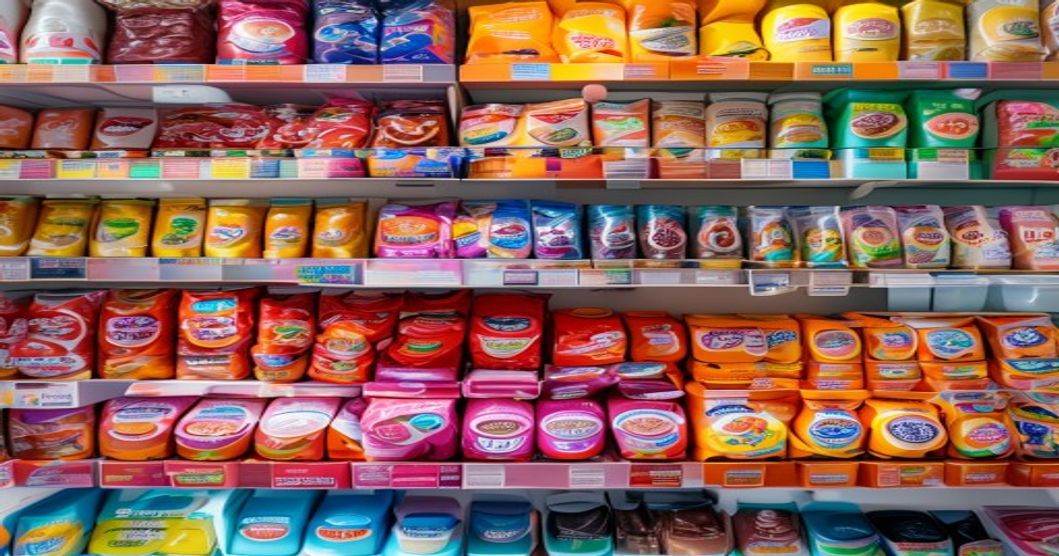
Umami-forward (savory, slightly fishy-seafood notes): Seaweed, prawn/shrimp crackers, anchovy-flavored snacks. These are an acquired taste for American kids but totally craveable once they get it. Start here only if your kid likes sushi or other seafood.
Sweet-savory (butter, honey, caramel undertones): Honey butter crisps, glazed rice crackers, slightly sweet roasted snacks. This is the gateway flavor. Almost every kid can get behind this.
Spicy (gochugaru—Korean chili powder—or wasabi heat): Spicy-flavored chips, hot prawn crackers, or any snack with Korean chili branding. Only for kids who already eat spicy food regularly. Not a first introduction.
Pure savory (salt, roasted, no frills): Plain roasted seaweed, salted rice crackers, plain sweet potato chips. Safe, familiar-feeling flavors. Good for hesitant eaters.
Packing and Storage Tips
Korean snacks in their original packaging are designed to stay fresh. Most have a shelf life of several months. Store them in a cool, dry place (not a hot car or humid bathroom).
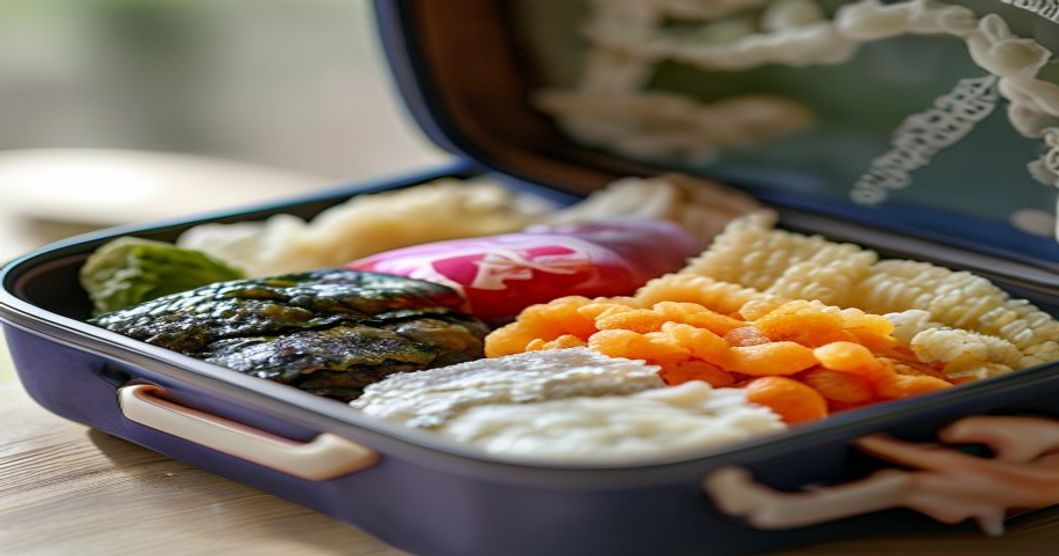
For lunchbox packing: Open the package at home and portion into a small reusable snack container if your kid prefers that. If you’re buying multi-packs, you can prep snack boxes on Sunday and have them ready to grab all week. Seaweed stays crispy best when left in its pouch until eating, but rice crackers and crisps are fine transferred to containers.
One pro tip: If seaweed gets slightly limp during the day, your kid can still eat it—it’s not unpleasant, just less crispy. But if they prefer maximum crunch, send it in its original airtight package.
Korean snacks aren’t a gimmick—they’re legitimate alternatives to American chip brands that offer real flavor variety, less grease, and way more interesting lunchbox days. Start with honey butter crisps or seaweed if your kid is new to Korean snacks. Mix and match to keep the lunchbox rotating. Available on Amazon, in Asian markets, and increasingly in mainstream grocery stores. Your kid won’t go back to plain chips once they realize the options out there.
For deeper dives into Korean snack pairings and convenience store picks, check out Korean Snacks and Instant Coffee Pairings for Late Night Studying: A Convenience Store Guide 2026, Korean Snack Flavors That Taste Nothing Like American Brands: A Convenience Store Taste Test Guide 2026, and Best Korean Snacks Under $5 for Office Workers: Budget-Friendly Convenience Store Haul Guide 2026.
Disclosure: This post contains affiliate links. As an Amazon Associate I earn from qualifying purchases. I may also earn a small commission if you purchase through snack subscription services recommended here. All opinions are my own and based on product research and user feedback.