Best Korean Snacks With Cheese Flavor That Don’t Leave Residue on Phone Screens for Commuters 2026
Disclosure: This post may contain affiliate links. We may earn a commission on qualifying purchases at no extra cost to you.
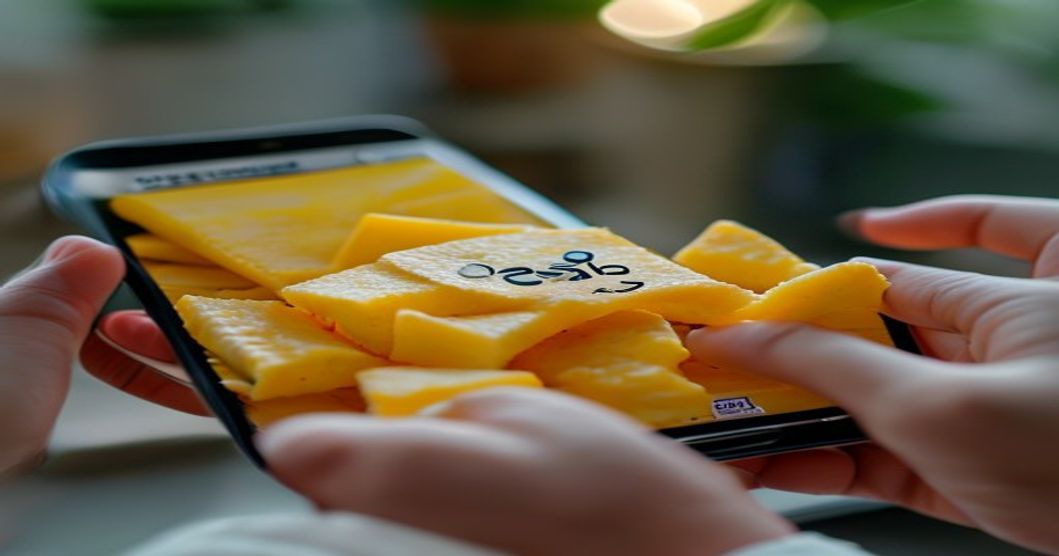
You’re on the morning commute. Hands full—phone in one pocket, coffee in the other. You grab a snack because the hunger is real, but the second you open a bag of regular cheese puffs, you know you’ve made a tactical error. By the time you reach your seat, your phone screen is a smudged orange disaster. Your keyboard? Even worse.
The fix isn’t complicated: Korean cheese snacks have quietly solved this problem, and once you know which ones, commuting snack runs become actually pleasant instead of a screen-wiping nightmare.
Choose snacks with starch-based or wax-coated seasonings instead of powder blends. Korean brands have perfected the cheese-flavor formula without the greasy residue—your phone will thank you, and your commute snack game will level up significantly.
The Residue Problem (And Why Korean Snack Makers Fixed It)
Here’s the thing: most cheese-flavored snacks—whether American, European, or otherwise—use powder-based seasoning. That powder is flavorful, sure, but it’s also loose. It sits on your fingers like a coating. The moment you touch your phone, laptop, or anyone else’s arm, that powder transfers.
Korean snack manufacturers faced the same problem but in a market where commuting is basically a religion. Seoul subway riders don’t have time to wash their hands between snack and phone. So Korean brands innovated: they started using seasoning formulas that either bond tightly to the snack itself or dry in a way that doesn’t transfer. Some use a light vegetable-oil-based coating that dries quickly. Others lean into starch-based flavorings that stick to the snack rather than floating loose.
The result? A snack that tastes like cheese, delivers actual flavor punch, and leaves your screen spotless.
The Texture Wins Too
While we’re at it, Korean cheese snacks tend to come in more variety than their Western counterparts. You’re not just choosing “puff” or “crisp.” You get wafer-thin sheets with a delicate shatter, puffy air-filled rounds, crunchy balls, and even cream-filled varieties. The cheese flavor scales from subtle and buttery to aggressive and umami-forward. It’s the reason a single brand might release five different cheese snacks in one season—because the texture completely changes how the flavor reads.
Texture also plays into the no-residue game. Denser, more structured snacks naturally leave less powder behind. Wafer-style sheets are especially good at this—they’re firm enough that the seasoning stays locked in place, and they dissolve quickly, so there’s less time for residue to build up on your fingers.
What to Look for at the Convenience Store
When you’re standing in front of the Korean snack section (or browsing online), here’s what separates the clean-eating winners from the screen-destroying duds:
Read the ingredient list for seasoning type. Look for phrases like “seasoning powder” paired with starch or maltodextrin (a starch derivative), or “vegetable oil-based flavoring.” Avoid anything that just says “cheese powder” or “cheese flavoring” with no binding ingredient listed nearby. Loose powders are the enemy.
Texture matters more than brand name. A wafer-based cheese snack from an unfamiliar brand will beat a fluffy puff from a famous one, purely because of the formulation. Don’t assume you need the big-name brand—Korean convenience stores are packed with smaller producers who nailed the formula.
Check the packaging for language cues. If the Korean text includes words like ‘no grease’ or ‘clean snack,’ that’s often a signal the brand optimized for this. It’s marketing, sure, but it’s also a hint that residue was a design consideration.
Single-serving packets over bulk bags. Smaller packets often have fresher seasoning adhesion—the coating hasn’t had weeks to shake loose inside a large bag. Plus, portion control is built in, so you’re less likely to eat the whole bag and end up with residue everywhere.
Why Commuters Specifically Care (And Why You Should Too)
This isn’t a snob thing. It’s practical. Your phone screen is one of the most frequently touched surfaces in your life. A smudged, greasy screen isn’t just gross—it actually affects how the touchscreen responds. And if you work at a desk or in a shared space, eating snacks that leave visible residue is basically broadcasting “I just ate something messy.” Not a vibe.
Korean snack brands understood that their core consumer—young professionals, students, transit commuters—needed snacks that fit into a mobile, on-the-go lifestyle. That meant snacks you could eat while standing in a crowded train, sitting at a desk, or walking between meetings without leaving a trail of evidence on your phone.
The same logic applies to other scenarios: eating at your desk, snacking during meetings, sharing desk space with coworkers, or even eating while wearing light-colored clothing. Zero-residue snacks are just more respectful of the context in which you’re eating them.
Comparing Cheese Snack Categories
Not all Korean cheese snacks are the same animal. Let’s break down the main types and which ones excel at the no-residue game:
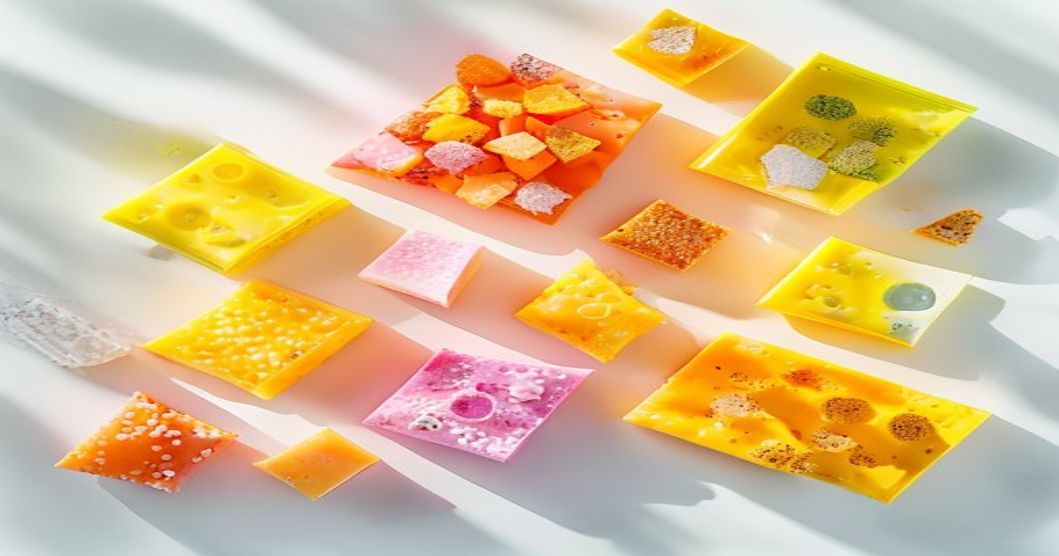
Cheese wafers. Thin, crispy sheets with cheese flavor baked in. These are your safest bet for a completely clean eating experience. The seasoning is typically bonded to the wafer itself, so transfer is minimal. Flavor tends to be more subtle and buttery rather than intense.
Cheese puffs (air-filled). More texture-forward than wafers, with a light, airy interior. Quality matters a lot here—premium brands use a wax-based coating that reduces residue significantly. Budget versions fall back on loose powder and will leave your fingers messy. If you want this texture, spend a bit extra.
Cheese balls (dense, crunchy). Denser than puffs, these pop in your mouth and dissolve quickly. Because of the density, seasoning stays adhered longer. Good middle ground between flavor intensity and clean eating. Often come in smaller packets, which is convenient for commuting.
Cream-filled cheese snacks. A creamy center surrounded by a crispy shell. These are a flavor experience more than a practical commute snack—the cream can get on your fingers. Save these for when you have a napkin nearby.
Cheese-dusted chips. Thin, flat chips with cheese seasoning. Similar to wafers but less delicate. Works well if the seasoning blend uses oil-based flavoring rather than powder, but quality varies widely. Check reviews before buying a new brand.
Related Snack Guides
If zero-residue cheese snacks are your starting point, you might also be interested in other commuter-friendly Korean snacks. We’ve covered seafood-flavored snacks that don’t smell fishy—great for shared spaces. For desk snacking specifically, Korean corn snacks with zero grease are another solid option that won’t destroy your keyboard.
The Flavor Spectrum You’ll Actually Encounter
Korean cheese snacks don’t all taste like American cheddar. Here’s what you should expect when you open a packet:
Mild and buttery. Think aged cheddar or a subtle dairy note. These snacks lean into the richness of cheese rather than sharpness. Good for people who find American cheese snacks too artificial-tasting.
Savory umami-forward. A more fermented, deeply cheese-like flavor. Often paired with a slight saltiness that makes the snack moreish. This style hits different—it’s the reason a single Korean cheese snack can feel more satisfying than a handful of Western equivalents.
Sweet and cheesy hybrid. Some brands mix cheese flavor with a hint of sweetness (think caramelized edge or subtle sugar). Unusual to Western palates but genuinely delicious if you like sweet-salty combinations. Not for everyone, but worth trying once.
Intensely sharp. A few brands go hard on the cheese intensity, almost like eating a sharp cheddar. These are flavor bombs. Smaller portion sizes are available for a reason—a little goes a long way.

Practical Tips for Buying and Eating
Once you’ve found your zero-residue cheese snacks, here’s how to maximize the experience:
Buy from stores with faster turnover. Korean supermarkets, not gas stations. Fresher stock means tighter seasoning adhesion. Snacks that have sat on shelves for months have had time for seasoning to shake loose and coat the inside of the bag.
Single-serve packets for commuting, bulk bags for home. Commute snacks should be portion-controlled and fresh. Bulk bags are better value but meant for leisurely eating where residue doesn’t matter.
Keep a napkin or wet wipe nearby on your first try with a new brand. Even no-residue snacks vary in execution. Wipe your fingers after a few bites with a new brand until you’re confident in the formula.
Avoid eating these in very humid environments. High humidity can reactivate any residual coating and make snacks slightly more prone to sticking to fingers. Dry environments—like air-conditioned trains or offices—are ideal.
Pair with hydration. Cheese snacks are salty. Have water handy, especially on a commute. This keeps your mouth fresh and prevents the temptation to lick your fingers clean (which is the opposite of a phone-friendly strategy).
The Hidden Value: Why This Matters Beyond Your Commute
Here’s something that doesn’t get talked about enough: choosing snacks that don’t leave residue is actually a sign of a snack that’s well-formulated in general. Brands that care enough to solve the residue problem tend to care about ingredient quality, flavor balance, and texture consistency. They’re not just solving a problem—they’re raising their overall standard.
When you buy a Korean cheese snack designed for clean eating, you’re usually getting a snack that’s been tested, refined, and optimized. That shows in the taste and the experience. It’s not a coincidence that the snacks that leave no residue are also the ones that taste genuinely good.
Plus, the habit of choosing snacks strategically is a small win in your day. You’re not wrestling with greasy fingers. Your screen stays clear. Your workspace stays clean. It’s a tiny optimization that compounds across hundreds of commutes and breaks.
Where to Start: Your First Purchase
If you’re new to this category, start with wafer-style cheese snacks from mid-range Korean brands. They’re almost impossible to mess up, the flavor is reliable, and the no-residue factor is built in. Grab a variety pack (most Korean snack subscription boxes include cheese wafers) and taste-test at home first. Once you find one you like, you can confidently buy in bulk from Amazon or your local Korean grocery store for commute supply.
After that, branch into puffs or balls from brands with good reviews mentioning “clean eating” or “no grease.” Read the comments—commuters will tell you if a snack leaves residue. That’s the most honest feedback you’ll get.
Korean cheese snacks have cracked the code on flavor without the mess. Start with wafer-style varieties, read ingredient lists for starch-based or oil-based seasonings, and prioritize texture—wafers beat puffs for commuters who care about staying clean. Your phone screen will be spotless, your flavor satisfaction will be high, and you’ll actually look forward to snack time. That’s the win.
Who This Is For (And Who It Isn’t)
This is for you if: You commute with your phone constantly. You eat snacks at your desk or in meetings. You care about keeping your workspace clean. You want snacks with actual flavor depth. You’re open to international snack brands. You’re willing to try multiple brands to find your favorite. You’ve been frustrated by greasy cheese puffs before.
This is NOT for you if: You prefer soft, chewy snacks—Korean cheese snacks are almost entirely crispy-textured. You dislike umami or savory flavor profiles—some Korean cheese snacks lean heavily into that direction. You need American convenience—you’ll have to order online or visit a Korean market. You want the absolute cheapest snacks available—zero-residue formulations cost a bit more. You’re looking for protein-heavy snacks—these are light, not nutritionally dense. You prefer snacks you can eat with one hand while doing something else—you need both hands or you’ll get your other hand messy (okay, this one’s exaggerated, but you get the point).
Affiliate Disclosure: This post contains affiliate links, and we may earn a commission if you make a purchase through them. We only recommend products and brands we believe in. As an Amazon Associate I earn from qualifying purchases.