Best Korean Snacks With Seafood Flavoring That Don’t Smell Fishy: A Commuter’s Guide for 2026
Disclosure: This post may contain affiliate links. We may earn a commission on qualifying purchases at no extra cost to you.
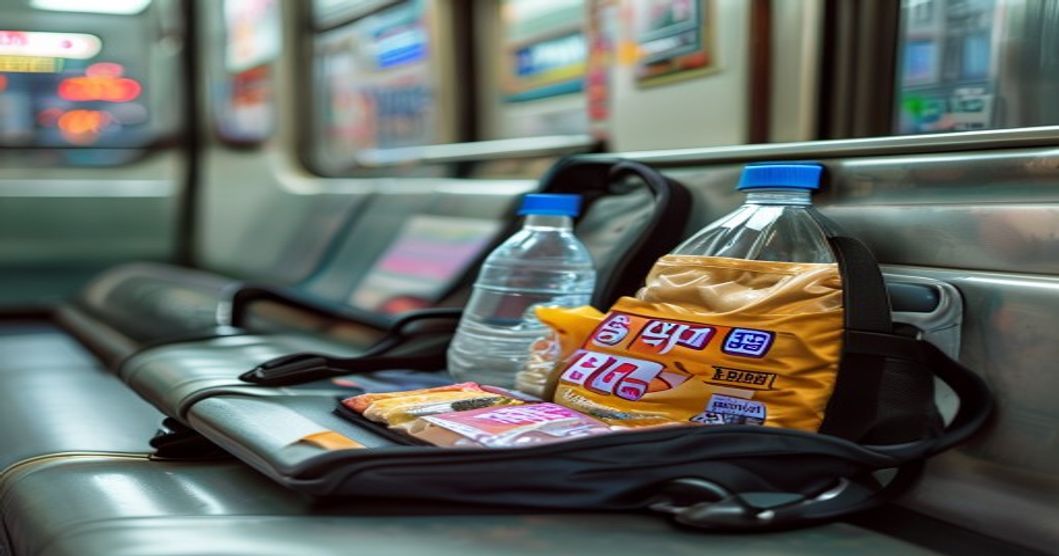
You’re standing on the morning commute, backpack slung over one shoulder, and you realize you forgot to pack lunch again. Out comes a snack—but you’re torn. Every time you’ve tried a seafood-flavored chip or cracker, the moment you open the bag, half your subway car turns to look. Not because they’re jealous. Because the smell hits different.
Here’s the thing: Korean seafood snacks have a reputation for being pungent. But that reputation isn’t always fair. The Korean snack game has evolved. There are genuinely delicious seafood-flavored options now that taste like a umami bomb without clearing out your backpack or making your coworkers question your life choices.
Shrimp-flavored chip-style snacks are your safest, most commuter-friendly pick—they deliver savory seafood taste with minimal odor and maximum crunch. Avoid dried whole squid or fish-cake products if you’re eating in shared spaces, and stick with branded Korean convenience-store snacks that prioritize seasoning over dried-fish intensity.
Why Seafood-Flavored Korean Snacks Are Worth Reconsidering
Let’s start with the bias. If you’ve tried one strong-smelling Korean dried-squid product and written off the entire category, you’re missing out. The issue isn’t seafood flavoring itself—it’s that Korean snack makers have learned to layer umami (that savory, mouth-coating fifth taste) without relying on dried-fish intensity.
Modern Korean convenience stores stock snacks that use shrimp extract, kelp powder, or anchovy seasoning as background notes, not the lead vocalist. The result? A snack that tastes like the ocean without announcing it to everyone in a 10-foot radius.
For commuters, this matters. If you’re eating on public transit, at your desk, or in any space where you can’t control the vibe, smell-to-flavor ratio is everything.
The Commuter’s Hierarchy: What Actually Works in a Backpack
Not all seafood snacks are created equal when you’re eating standing up on a train with one hand free and nowhere to rinse your fingers.
Tier 1: Shrimp-Flavored Crisps (The Safe Play)
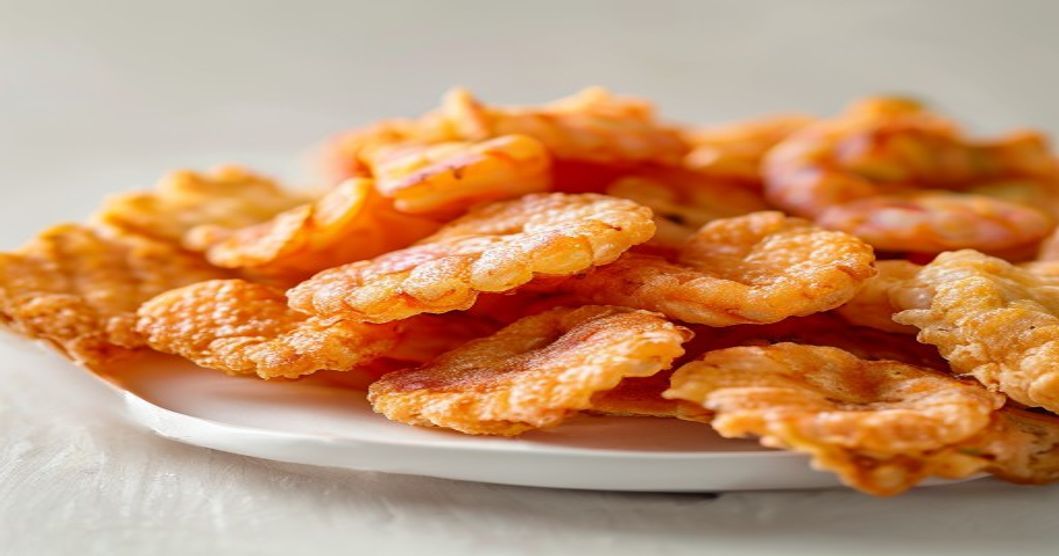
Shrimp-flavored snacks—especially the light, chip-style ones—are the gateway drug to Korean seafood snacking. They’re crispy, they dissolve fast (good for eating in a crowd), and the smell is mild. The flavor is pure savory-sweet with a peppery finish. You get the umami hit without the funk.
These snacks sit in the salty-snack aisle of any Korean convenience store. Look for packages with shrimp illustrated on the front, usually in pinks or oranges. Price-wise, they’re cheap—usually under $2 for a bag that lasts through a whole commute. Worth it? Absolutely. Nobody will side-eye you on the bus.
Tier 2: Squid-Seasoned Crisps (More Flavor, Slight Odor)
These amp up the umami. Squid-seasoned crisps taste deeper and more complex—there’s a sweet undertone that balances the savory. But here’s the trade-off: they carry a slightly stronger ocean-like scent, though it’s nowhere near as aggressive as dried-squid jerky.
The smell dissipates faster than you’d expect, especially if you’re in a ventilated space. In a closed office with no air movement? Maybe eat these at your lunch break, not at your desk. The flavor payoff is worth the minor risk, though.
Tier 3: Seafood-Flavored Seaweed Snacks (Lightweight and Sneaky)
Roasted seaweed sheets with shrimp or fish-cake flavoring are a wild card. They’re light (barely any residue on your fingers), they dissolve instantly, and the smell is almost imperceptible. The downside? The flavor is more subtle. You’re not getting an explosion—you’re getting a whisper of the ocean with a salty, slightly sweet finish.
These are the ninjas of the commuter snack world. Eat them without anyone noticing, then move on with your day. The Korean corner stores carry them in thin, crinkly packages, often in the seaweed aisle.
Tier 4: Dried Squid or Fish-Cake Products (Skip for Commutes)
Here’s where the reputation comes from. Whole dried squid, fish-cake sticks, and anchovy-dried snacks are intense. The smell is real, the flavor is aggressive, and your backpack will hold that scent for days. These are absolutely legitimate snacks—if you’re at home, eating them fresh, with control over your environment.
For a morning commute? Hard pass. Save these for weekend snacking or office taste-tests when you have open windows and low stakes.
Where to Find Commuter-Friendly Seafood Snacks
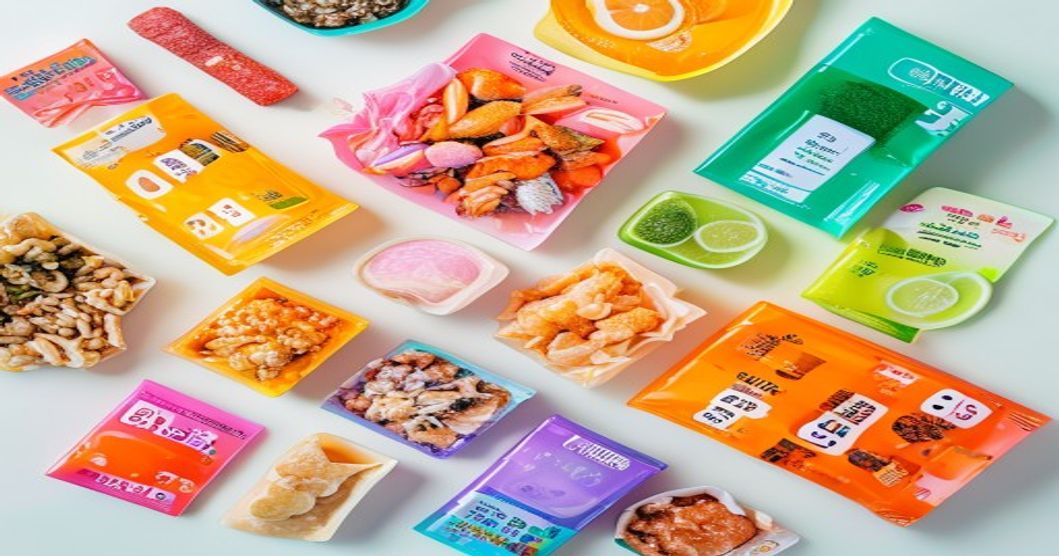
Your best bet is a Korean convenience store (GS25, CU, Emart24 if you’re in Korea or a Korean neighborhood). The employees stock snacks specifically for commuters and office workers, so they know what sells and what gets complaints. Browse the chip aisle and look for shrimp or squid illustrations with Korean text you can’t read—that’s fine, the packaging tells the story.
On Amazon, you can order Korean seafood snack variety packs, but expect to pay a markup. The advantage is convenience and the ability to read English reviews from other commuters. As an Amazon Associate I earn from qualifying purchases.
Korean snack subscription boxes (brands like YesStyle, Bokksu, or local Korean-American services) curate commuter-friendly selections, though these trend pricier and are better for discovery than daily snacking. If you want to test a range before committing to a bulk buy, subscriptions are solid.
The Real Smell Question: What the Ingredients Tell You
Here’s a pro tip: read the ingredients list on the back of the package. If the snack contains “dried squid,” “fish cake,” or “salted fish” as one of the first three ingredients, it will smell stronger. If it lists “shrimp powder,” “shrimp extract,” or “kelp powder,” you’re safe.
The difference is extraction vs. whole ingredient. Powders and extracts deliver flavor without the volatile compounds that create strong odor. Whole dried seafood is flavor-forward and fragrant—not bad, just not commute-friendly.
Also pay attention to the country of origin. Korean-made snacks tend to be more refined in their seasoning approach. Chinese or Southeast Asian seafood snacks sometimes prioritize pure smell intensity as a flavor marker, which isn’t the vibe you want on a train.
Pairing Strategy: How to Eat These Without Regret
Timing matters. Eat your seafood snack at the beginning of your commute, not at the end. That way, any residual smell fades before you’re in a crowded space or at your desk.
Drink water or tea afterward. The liquid helps clear the flavor from your palate and mask any lingering scent on your hands. This is especially important if you’re about to sit next to someone in a meeting.
Bring a small wet wipe. This sounds extreme, but a single hand wipe costs nothing and eliminates any fishy residue on your fingers. It’s an investment in professionalism and consideration for those around you.
Eat with intention. Don’t just mindlessly munch these while staring at your phone. Engage with the flavor, enjoy the umami, and finish the bag quickly. A focused 5-minute snack is less noticeable than 20 minutes of continuous crunching.
Who These Snacks Are Actually For (And Who Should Pass)
Great for:
- Commuters who need a filling, protein-forward snack that keeps you full.
- Office workers who eat at their desks and want bold flavor without judgment.
- People who love umami and aren’t afraid of seafood.
- Anyone curious about Korean snack culture but intimidated by the smell myth.
- Backpack snackers who need something lightweight and shelf-stable.
Not great for:
- People with shellfish allergies (check ingredients; many snacks use shrimp or anchovy).
- Those eating in very close quarters (elevators, small office spaces) without ventilation.
- Anyone who hates strong flavors or umami-forward foods.
- Commuters with anxiety about being noticed or causing discomfort to others.
- People sensitive to sodium (these are seasoning-heavy and salty).
The Real Talk: Smell Fades Faster Than You Think
Here’s what I’ve learned after way too much Korean snack experimentation: the smell of seafood-flavored snacks is strongest in the first 10 seconds after you open the bag. After that, your nose adapts, and honestly, everyone else’s does too. The human olfactory system is weird—it filters out constant smells.
The real culprit isn’t the snack itself; it’s the anxiety about it. If you open a shrimp-flavored crisp on the bus looking confident and unbothered, nobody’s going to say anything. If you open it looking guilty and apologetic, suddenly there’s tension. Own the snack.
That said, respect your environment. If you’re in a hospital elevator, a car with the windows up, or a small meeting room—wait. Eat these on the platform, not on the train. Common sense goes a long way.
Why Korean Snacks Get Better Every Year
Korean food-science companies are obsessed with texture and flavor balance. They’ve figured out how to deliver intense, authentic taste without the sensory overwhelm. It’s the same approach they use with corn snacks and other categories—refine the experience, don’t just amplify the base ingredient.
This means 2026-era Korean seafood snacks are genuinely better than what was available even three years ago. Brands listen to feedback, tweak seasoning ratios, and develop new extraction methods that preserve flavor while toning down aggression.
If your last experience with a Korean seafood snack was a strong one (literally), it might be time to revisit. The game has moved on.
A Commute Snack Starter Pack
If you’re nervous about diving in, start with a mixed approach. Grab one package of shrimp-flavored crisps (the safest), one of squid-seasoned crisps (a step bolder), and one seaweed snack with seafood flavoring (the ninja option). Eat them on different commutes and see which one fits your vibe and tolerance.
Most Korean convenience stores let you buy individual bags, so there’s no commitment. Pay $2–3 total and test the waters. The worst case is you discover you still hate seafood snacks; the best case is you find a new favorite that keeps you full and happy until lunch.
Korean seafood-flavored snacks are absolutely commute-friendly if you pick the right ones. Stick with shrimp-flavored crisps and squid-seasoned snacks from established Korean brands, eat them early in your commute, and don’t overthink the smell—it fades faster than your anxiety about it. Start small, test your tolerance, and prepare to be surprised by how much better these snacks are than their reputation suggests. Grab a pack on Amazon or visit a Korean convenience store near you.
Affiliate Disclosure: This article contains affiliate links. If you click a link and make a purchase, I may earn a small commission at no extra cost to you. As an Amazon Associate I earn from qualifying purchases. This helps support the site and keeps snack recommendations flowing.