Korean Snacks Safe for Garlic Allergies: Best Convenience Store Picks
Disclosure: This post may contain affiliate links. We may earn a commission on qualifying purchases at no extra cost to you.
Here’s the myth everyone gets wrong: If a Korean snack tastes sweet or doesn’t smell overtly garlicky, it’s safe for a garlic allergy. Wrong. Dead wrong. Garlic hides everywhere in Korean convenience store snacks—in seasoning blends, savory rice crackers, even some “butter” flavored treats. It sneaks in under names like “garlic extract” or gets lumped into a “Korean spice blend” that nobody bothers to decode. If you have a genuine garlic allergy, you can’t just eyeball the package and guess.
Plain roasted seaweed (lightly salted), honey butter chips (sweet variety, not savory), and chocolate-based snacks are your safest bets at Korean convenience stores. Always verify the ingredient list, because garlic appears in unexpected places. When in doubt, pick plain over flavored.
The Garlic Problem in Korean Snacks
Korean cuisine revolves around fermented, umami-forward flavors. Garlic is basically foundational—it’s in gochujang (fermented chili paste), doenjang (soybean paste), and countless seasoning mixes. The problem for people with garlic allergies? Food manufacturers copy those flavor profiles into snacks. A “Korean-seasoned” chip or rice cracker almost always contains garlic powder or extract. Even innocent-sounding items like “onion and cheese” flavored crackers often hide garlic in that blend.
The sneaky part: garlic doesn’t always announce itself. It’s often the fourth or fifth ingredient in a long list of additives. On Korean labels, you’re looking for 마늘 (manneul = garlic) or any variation. English labels sometimes say “garlic extract” or “garlic flavoring,” but manufacturers also lump garlic into broad terms like “natural seasoning” or “spice blend.” That vagueness is what trips people up.
Comparing Your Safest Convenience Store Options
Let’s break down the most popular garlic-free (or safest) snack categories you’ll find at any Korean GS25, CU, or Emart convenience store, and show you exactly why some work better than others.
| Snack Type | Garlic Risk Level | Best Variety to Buy | Why It Works |
|---|---|---|---|
| Plain Roasted Seaweed (Gim) | Very Low | Lightly salted, unflavored sheets | Zero added seasoning. Just seaweed, salt, sesame oil. Avoid “Korean flavor blend” or spicy varieties. |
| Honey Butter Chips (Sweet) | Low (choose carefully) | Sweet honey butter version, NOT savory | Sweet varieties skip the savory seasoning blends. Savory honey butter often contains garlic powder. |
| Chocolate-Covered Almonds | Very Low | Plain varieties (no flavor dust) | Simple ingredient list: chocolate, almonds, salt. Flavored versions (like onion, cheese) contain garlic. |
| Soft Biscuits (Butter or Vanilla) | Low | Plain butter or vanilla; avoid “cheese” or “herb” | Plain flavors focus on sugar and butter. Savory flavors almost always hide garlic in spice blends. |
| Fruit Gummies | Very Low | Standard fruit flavors (strawberry, grape, apple) | Fruit-based snacks skip savory seasonings. Stick to classic fruity flavors, skip novelty or “spicy” versions. |
| Rice Crackers (Savory) | HIGH RISK | Avoid most; plain salted if available | Most are seasoned with Korean flavor blends containing garlic powder. Plain salted versions are rare but safer. |
Head-to-Head: Plain Seaweed vs. Honey Butter Chips
These two are the most popular go-to convenience store snacks for people avoiding garlic. Here’s where they differ and which one wins for different situations.
- Ingredient list is crystal clear—seaweed, salt, sesame oil, done.
- Zero hidden flavor compounds or seasoning blends.
- Satisfies savory cravings without any spice risk.
- Stays light on the stomach; good for snacking any time.
- Can taste plain if you’re used to bold Korean flavors.
- Less filling than chips; you might want more.
- Some people find the ocean taste off-putting.
- Flavored varieties at the store are usually risky—easy to grab the wrong one by mistake.
- Tastes indulgent without crossing into savory seasoning territory.
- Very satisfying and filling—works as a quick snack or light dessert.
- The sweet variety is genuinely garlic-free (savory version is not).
- Widely available at every Korean convenience store.
- Easy to confuse the sweet and savory varieties at the store.
- Less healthy profile than seaweed (more sugar, salt).
- If you’re craving savory, this won’t scratch that itch.
- The ingredient label is longer—requires more careful reading.
Choose Plain Seaweed If…
- You want maximum ingredient transparency with zero guesswork.
- You’re comfortable with subtle, delicate flavors.
- You’re buying snacks for an office or shared setting where you can’t inspect every package.
- You want the lowest calorie, most nutrient-dense option.
Choose Sweet Honey Butter Chips If…
- You want something more satisfying and indulgent.
- You enjoy sweet snacks and don’t mind a little extra sugar.
- You’re building a snack haul and want variety beyond just seaweed.
- You can carefully read the package to confirm it’s the sweet variety, not savory.
What to Actually Avoid (The Garlic Landmines)
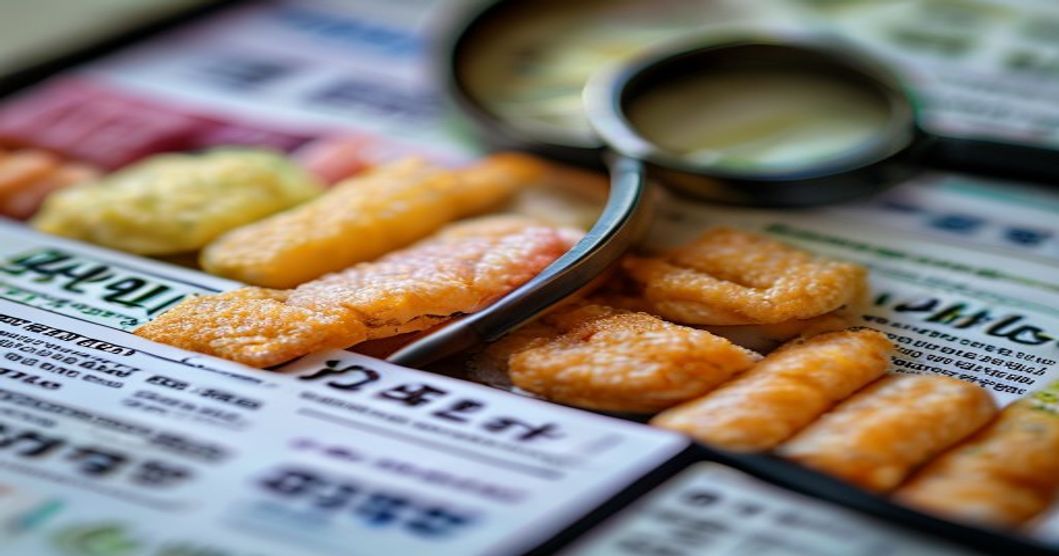
These snack categories are basically garlic minefields. Even if they look innocent, they almost always contain garlic in some form. Skip them unless you’ve personally verified every ingredient:
- Any “Korean-seasoned” snack: Chips, crackers, or mix labeled with Korean flavoring. Garlic is standard in Korean seasoning blends.
- Savory rice crackers (all flavors): Even “plain” salted varieties often contain garlic powder. The Korean versions especially.
- Cheese-flavored anything: Cheese powder blends almost always include garlic extract for umami depth.
- Roasted seaweed with “Korean spice”: The word “spice” here means garlic, onion, and chili combined. Not safe.
- Flavored popcorn (savory varieties): Butter, cheese, or spicy popcorn seasoning masks garlic in the flavoring.
- Any snack labeled “umami” or “savory blend”: Those terms are code for garlic and onion depth.
Reading Labels Like a Pro
This is the skill that actually keeps you safe. Label-reading beats guessing every single time.
English labels: Scan for these exact words: garlic, garlic powder, garlic extract, dehydrated garlic, minced garlic, or garlic salt. Also watch for vague terms like “natural flavor” or “spice blend” without a breakdown. If the label says “natural flavor” but doesn’t specify what that means, contact the manufacturer or skip it.
Korean labels: Use your phone’s translation app to snap a photo of the ingredient list. The Korean word for garlic is 마늘 (manneul). You’re also looking for 마늘향 (garlic flavor) or 마늘 추출물 (garlic extract). Many snacks list both Korean and English, so cross-check.
Pro tip: The ingredient list is always in descending order by weight. If garlic appears in the first five ingredients, that snack is heavily seasoned with it. If it’s buried at the end, the garlic flavor is probably minimal—but if you have a severe allergy, even trace amounts matter.
Who This Guide Is For (And Who It’s Not)
This Guide Works If You:
- Have a diagnosed garlic allergy or severe intolerance.
- Shop at Korean convenience stores (GS25, CU, Emart, E-mart, Lotte Mart, etc.).
- Want to build a safe snack haul without researching every single product individually.
- Are traveling to Korea or buying Korean snacks internationally and need quick recommendations.
- Are shopping for someone else with a garlic allergy and want to avoid surprises.
This Guide Doesn’t Apply If You:
- Have a severe airborne allergy where even the scent of garlic causes problems—convenience store environments aren’t sterile, and nearby customers may be eating garlic snacks.
- Have a cross-reactivity issue with onion, chives, or other alliums that requires you to avoid even “garlic-free” Korean seasoning blends (contact your doctor).
- Only eat certified allergen-free or medical-grade snacks. Convenience store items aren’t in that category—they’re processed in shared facilities.
- Want to avoid all Korean snacks and prefer brands from your home country. This guide is specifically for Korean convenience store navigation.
Building Your First Safe Haul
Here’s a practical strategy for your first convenience store trip if you’re new to shopping with a garlic allergy:
Start with one item from three categories: Buy one package of plain seaweed, one sweet honey butter chips, and one fruit gummy. Test each at home. Document which ones you tolerate well and which ones cause any reaction, even minor digestive changes. This gives you a personal baseline.
Use your phone: Snap a photo of every ingredient label before you buy. Even if you think you know what’s in it, a second look at home (or a translation app scan) catches things you missed at the register.
Ask at the register: Korean convenience store staff are usually helpful. You can point to a snack and ask “이것에 마늘이 있어요?” (Is there garlic in this?) or just show them a list of ingredients you’re avoiding. Many staff speak English or can use a translation app.
Join online communities: Reddit’s r/Asiansnacks and Korean snack enthusiast forums have people who specifically track safe options for allergies. Word-of-mouth saves time and prevents mistakes.
Garlic is everywhere in Korean snacks, but you’re not out of options. Plain roasted seaweed and sweet honey butter chips are your safest bets at any convenience store—they have simple ingredient lists and skip the savory seasoning blends where garlic hides. The real secret is reading labels before you buy. Snap a photo of the ingredient list, use a translation app if needed, and stick to plain or sweet varieties over flavored. Build your first haul slowly, test each item, and ask store staff if you’re unsure. With a little label-reading discipline, Korean convenience stores have plenty of snacks you can enjoy safely.
Related Reading
Looking for more Korean snack guidance? Check out Best Korean Rice Snacks That Stay Crispy: Why They Beat Potato Chips in 2026 for a deep dive into crunchy textures, or explore Korean Snack Alternatives to Popular American Chip Brands for Kids’ Lunchboxes 2026 if you’re feeding a family. For late-night study sessions, Korean Snacks and Instant Coffee Pairings for Late Night Studying: A Convenience Store Guide 2026 offers pairing ideas that complement your snack choice.
Affiliate Disclosure: This article contains affiliate links to products mentioned. As an Amazon Associate I earn from qualifying purchases. We may also earn a commission from snack box subscription services or Korean grocery retailers. All opinions are genuine and based on honest product evaluation. We do not receive free products or payment for placement in this guide.