Best Korean Sweet Potato Snacks for Diabetics & Blood Sugar Watchers 2026
Disclosure: This post may contain affiliate links. We may earn a commission on qualifying purchases at no extra cost to you.
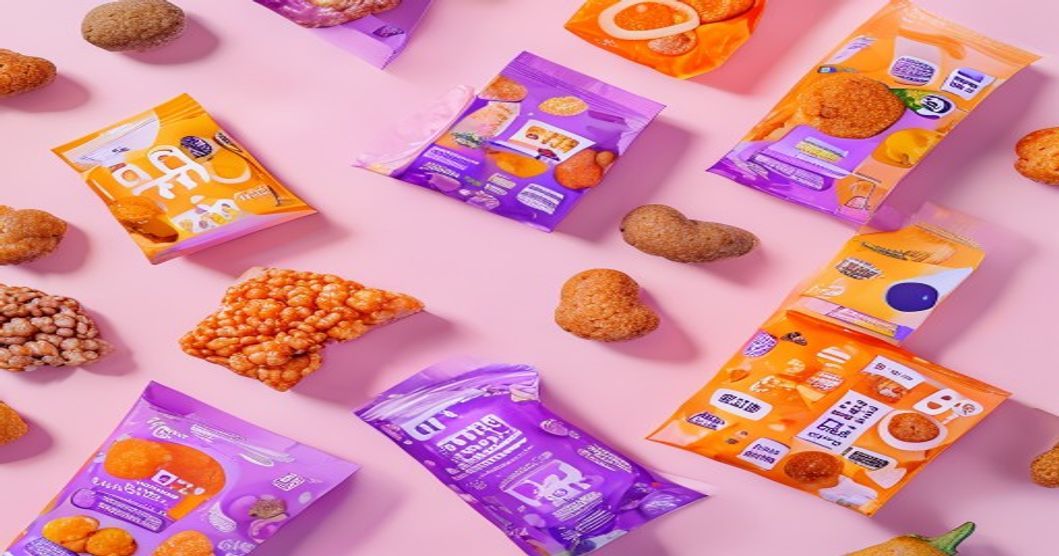
You’re standing in a Korean convenience store—or scrolling through your phone at 3 PM, blood sugar dropping—and you spot a row of purple and orange goguma (sweet potato) snacks. Cue the internal dialogue: “Are these safe? Will my glucose spike? Or is this finally a snack I can actually eat without the guilt?” Yeah, we’ve all been there. Korean sweet potato snacks are everywhere now, marketed as ‘natural’ and ‘wholesome,’ but the reality is messier. Some are genuinely lower-glycemic gems; others are just candy in a purple wrapper. Let’s cut through the fluff and find the picks that actually work for blood-sugar management—no hype, just honest research.
Choose roasted or air-fried goguma snacks with minimal added sugar (check labels for under 5g per serving)—skip anything with glucose syrup or maltose in the top 3 ingredients. Texture matters for office eating, and subscription boxes can save money if you snack regularly. Verify nutrition facts yourself; marketing hype doesn’t guarantee blood-sugar safety.
Top Picks: Korean Sweet Potato Snacks for Diabetics
Best Choice
For office workers and anyone serious about stable blood glucose: plain roasted goguma crisps use just the vegetable, minimal salt, zero added sweeteners. You get natural fiber (3–4g per serving), which slows sugar absorption. The texture is crispy but not greasy, so your keyboard stays clean. Real talk—they taste like what they are (sweet potato), not candy, so skip this if you want a sugar rush. Widely available at Korean convenience stores and Amazon.
Best Value
If you need a snack with real staying power: bars that blend roasted goguma with plant-based protein (pea or soy) and sweetened with erythritol or xylitol offer 6–8g of protein and 2–3g net carbs per bar. They’re chewier, more filling, and your glucose impact is genuinely lower than traditional snacks. Downside: sugar alcohols can cause digestive discomfort for some people (start with one to test your tolerance). Look for these in Korean snack hauls or subscription boxes.
Premium Pick
A higher-end option: some Korean brands now offer individually wrapped steamed goguma chunks—basically just sweet potato, no added sugar, vacuum-sealed for freshness. They’re soft, naturally sweet, and require a fork (so definitely not desk-friendly). But the fiber content is highest here, and the glycemic load is lower because you’re eating the whole vegetable in its most intact form. Pricier per ounce, usually found in organic Korean markets or premium snack subscriptions. A great option for afternoon snacking at home.
How to Compare Korean Sweet Potato Snacks: A Quick Label-Reading Guide
Not all goguma snacks are created equal, and the marketing is designed to confuse you. Here’s what actually matters when you’re standing in the store (or scrolling on Amazon):
| Snack Type | Net Carbs Per Serving | Best For | Watch Out For |
|---|---|---|---|
| Roasted Chips (No Sugar) | 4–6g | Office snacking, daily safe pick | Plain taste—not a dessert replacement |
| Protein/Fiber Bars | 2–4g | Meal replacement, hunger control | Sugar alcohol digestive effects; pricier |
| Steamed Whole Chunks | 3–5g | Home snacking, highest fiber | Moist texture—not portable; shorter shelf life |
| Candy-Style Goguma Treats | 12–18g | Occasional splurge only | High sugar despite ‘natural’ labeling—glucose spike risk |
| Goguma Chips w/ Added Sugar | 8–12g | Not recommended for daily diabetic snacking | Marketing hype—’healthier potato chip’ is still chips |
The golden rule: Net carbs (total carbs minus fiber) under 5g per serving keeps your glucose stable. Anything with glucose syrup, corn syrup, or maltose in the top 3 ingredients is a skip. Also, serving size matters—some packages list a “serving” as half of what most people actually eat. Compare the grams, not just the carb count.
Where to Buy & Haul Strategies
Korean Convenience Stores (GS25, CU, Emart24)
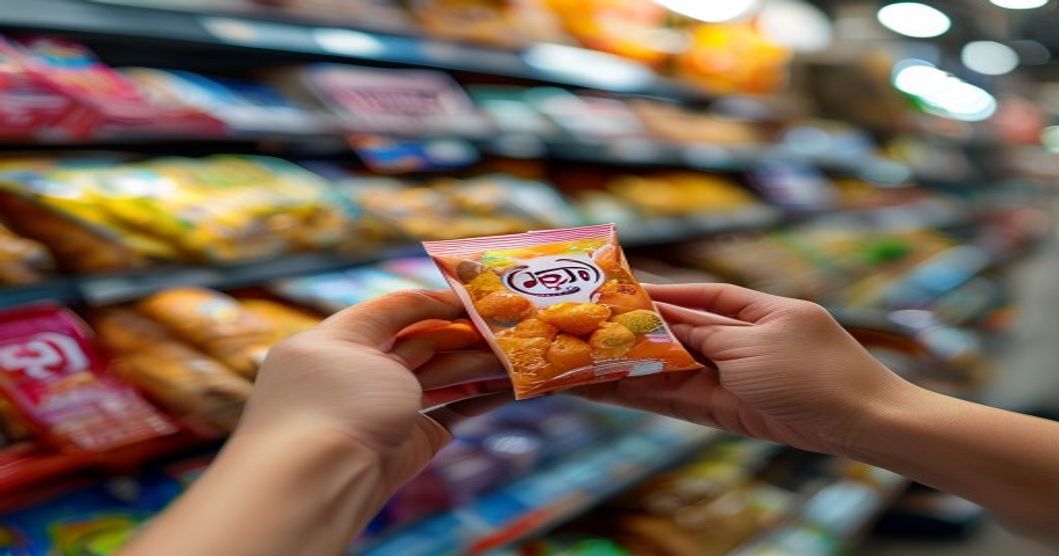
If you’re in the US near a Korean neighborhood or have a Korean friend traveling back home, convenience stores stock rotating goguma snacks at lower prices than specialty retailers. The catch: labels are often Korean-only, so bring a translation app or snap a photo and translate the nutrition facts. Fresh products rotate fast, so you’ll find new (lower-sugar) options regularly. Many workers swear by this route for DIY curated hauls.
Online Retailers & Amazon
Amazon and other retailers stock Korean snack multipacks and individual brands. Prices are higher than Korea, but labels are often bilingual (English + Korean), which helps with diabetes management. Filter by “low-sugar” or “diabetic-friendly” tags, but always verify the nutrition label yourself—marketing tags are not always accurate. Shipping to most US addresses is 3–5 days for Prime members. See the best Korean snacks with cheese flavor guide for more purchasing intel.
Korean Snack Subscription Boxes
Several subscription services now curate diabetic-friendly or low-sugar Korean snack boxes (typically $20–$40/month). The upside: you get 4–6 hand-picked snacks, often with English nutrition labels, and monthly themes that rotate seasonings and textures. The downside: you pay a premium for curation, and if you get a box you don’t like, you’re locked in for the month. Check reviews on Reddit or TikTok before subscribing—communities of blood-sugar-conscious snackers often share honest unboxings.
In-Person Korean Markets (H-Mart, 99 Ranch, Lotte)
These chains offer the widest selection of Korean snacks outside of Korea itself. Staff often speak Korean and can help you find lower-sugar options or recent arrivals. Prices fall between convenience stores and online. If you’re building a go-to haul, spend 10 minutes comparing 2–3 similar brands side-by-side (nutrition labels visible on shelf tags). You’ll train your eye and spot the genuine low-carb picks.
Pros & Cons of Goguma Snacks for Diabetics
- Naturally sweet—no need for added sugar in simple roasted options
- High in fiber (3–4g per serving), which slows glucose absorption
- Rich in vitamin A and potassium—more micronutrients than white-potato snacks
- Portable and shelf-stable; perfect for office or car snacking
- Lower glycemic index than regular potato chips when no sugar is added
- Wide variety now available—easy to find multiple options
- Marketing hype often masks high sugar—many “goguma snacks” are candy
- Labels often Korean-only; requires translation effort or supplier research
- Sugar-alcohol sweeteners can cause digestive discomfort for some people
- Individual glucose response varies—testing with a CGM recommended
- Specialty/low-sugar options are pricier than conventional snacks
- Subscription boxes add up monthly—impulse buying risk
Who This Is For (And Who Should Skip It)
This Works For You If You:
- Have Type 1 or Type 2 diabetes and want snacks that won’t spike glucose
- Track macros and need a vegetable-based snack with real fiber
- Are office-based and need something portable that doesn’t stain or crumble messily
- Prefer ‘real food’ snacking over processed alternatives (steamed chunks) or don’t mind texture variety
- Use a continuous glucose monitor (CGM) and want to experiment with new low-carb options
- Have access to Korean markets or like ordering online regularly
This Is NOT For You If You:
- Want a quick, sweet treat—plain goguma snacks taste like what they are (vegetable), not dessert
- Need to avoid sugar alcohols due to digestive sensitivity or IBS
- Don’t have time to read (often Korean) labels and research nutrition facts
- Prefer convenience over cost—specialty low-sugar snacks are pricier
- Have severe sweet potato allergies or oral allergy syndrome (cross-reactivity with birch pollen)
- Live far from Korean retailers and dislike ordering online or waiting for shipping
Real Talk: What Matters Most
Here’s the bottom line that nobody else will tell you straight: no snack is ‘safe’ for everyone. Your blood glucose response is personal—influenced by what you ate earlier, your medication timing, stress, and sleep. A snack that keeps your coworker stable might spike yours. That’s not a flaw in these picks; it’s just biology.
What matters is this: choose goguma snacks with transparent labels (low added sugar, visible fiber), test your individual response (ideally with a CGM if you have access), and don’t rely on marketing claims alone. The Korean snack industry is increasingly aware of the global diabetes market, so genuinely lower-carb options are arriving faster than ever. But you still have to do the label work.
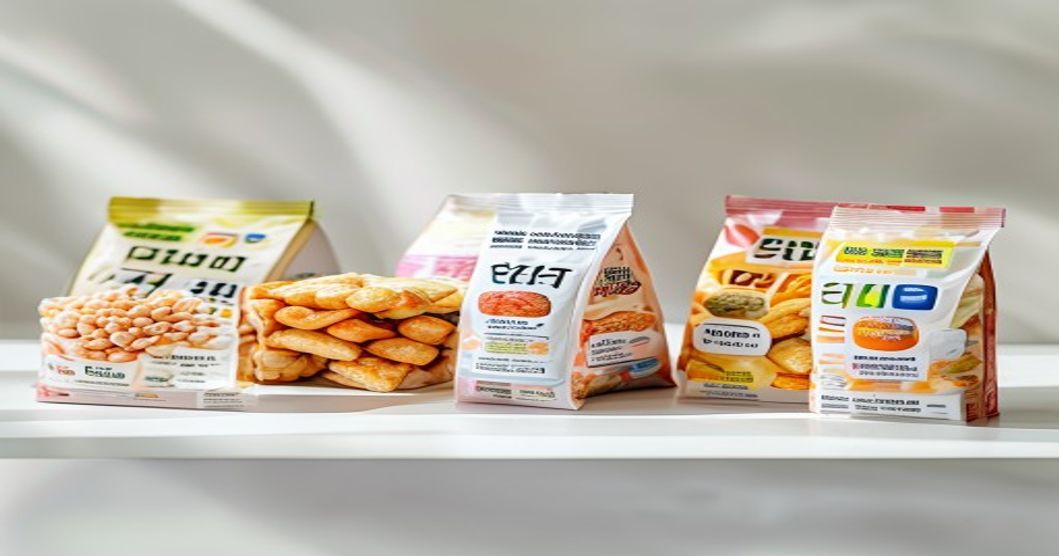
Roasted goguma chips without added sugar are the most reliable pick—they’re not exciting, but they’re honest. Bars with protein are great if you’ve tested them and they don’t upset your digestion. And steamed whole chunks? Chef’s kiss for home snacking if you want the maximum fiber and least processing.
The Haul Strategy: Mixing Snacks for Stable Blood Sugar
One snack gets boring fast. Instead of picking one and sticking with it, build a rotation of 2–3 options that you’ve individually tested. Your haul might look like this:
- For quick office snacking: Roasted goguma chips (no added sugar)—portable, tested, trustworthy
- For afternoon hunger: Protein/fiber bar—keeps you fuller longer if you skip lunch
- For evening at home: Steamed goguma chunks—highest fiber, lowest processing, perfect for wind-down snacking
This mix gives you texture variety, keeps snack fatigue away, and lets you test which ones your body actually handles. Plus, you’re rotating through different nutrient profiles—one has more vitamin A, another has protein, another maximizes fiber. It’s a smarter way to build a snack rotation than picking one “best” option and overeating it.
If you’re ordering online or subscribing to a box, this multi-snack strategy saves you from subscription regret. You’re not betting everything on one box curating your perfect snack; you’re building your own system.
Other Korean Snacks Worth Exploring
If you like the goguma vibe but want other options, check out Korean snacks with seafood flavoring (seaweed-based, often high fiber, low sugar) or Korean corn snacks for office desks (grease-free alternatives like roasted corn). Both offer similar blood-sugar benefits without the sweet potato repetition.
Go with plain roasted goguma chips (no added sugar) as your daily pick—they’re tested, affordable, and genuinely lower-glycemic. Add a protein bar or steamed chunks based on your eating pattern and digestive tolerance. Test your individual glucose response before making a snack a habit. And don’t believe the marketing hype just because something’s purple and labeled ‘natural.’ Your blood sugar is the only metric that matters. Start with one option, log your numbers (if you have a CGM), and build from there.
Affiliate Disclosure: This article contains affiliate links to Amazon and Korean snack subscription services. If you purchase through these links, I may earn a small commission at no extra cost to you. As an Amazon Associate I earn from qualifying purchases. All recommendations are based on researched picks and nutritional criteria, not on commission. I link only to products and services I’d actually use for blood-sugar management.